
Chao Song (宋超)
E-mails: chaosong@scu.edu.cn ; chaosong.gis@gmail.com
• Associate Professor, West China School of Public Health (West China Fourth Hospital) , Sichuan University (SCU). Research and Teaching on Health and Medical Geography, Spatial Health Statistics, and GIScience .
• PI, HEOA-West China Health & Medical Geography Group , within HEOA (Healthcare Evaluation and Organizational Analysis) Group.
• Research fellow, Institute for Healthy Cities, Sichuan University (SCU) .
Developer of the BSTVC model (spatiotemporal heterogeneous perspective for analyzing influencing factors, identifying key drivers, and making dynamic predictions, all within a unified ‘full-map’ framework) and its R package.
Academic Links
• ORCID
Research Interests
My research pursuits are anchored in Geographic Information Science (GIScience), encompassing spatial, spatiotemporal, and Bayesian statistics. These disciplines are integral to my work in health and medical geography, environmental health, spatial epidemiology, and public health. I possess specialized expertise in crafting advanced statistical models within the Bayesian hierarchical modeling (BHM) framework. This includes the adept application of Bayesian approximate inference techniques to fit spatial and spatiotemporal stochastic processes, underscoring my commitment to pushing the boundaries of precision and insight in these critical areas of study.
- Spatiotemporal statistical analysis theory and innovation.
- Bayesian hierarchical modeling (BHM).
- Health and medical geography.
- Spatial health statistics and spatial epidemiology.
- Healthcare resources and services.
- Global health (e.g., global aging)
- Environmental health and epidemiology.
In my work, I have introduced a series of Bayesian Spatiotemporally Varying Coefficients (BSTVC) models designed to quantify the complex spatiotemporal heterogeneous relationships among variables, with key developments made in 2019, 2020 and 2022. Furthermore, the Progressive Spatiotemporal (PST) method, developed in 2018, stands out for its innovative use of space-time information to estimate missing data. In the realm of epidemiology, the Disease Relative Risk Downscaling (DRRD) model, introduced in 2019, represents a significant advancement in disease mapping by providing finer resolution insights. Additionally, the B-GeoSVC model, also developed in 2019, marks a breakthrough in integrating regional and local-scale process spatial heterogeneity, showcasing the depth and breadth of my contributions to enhancing spatial analysis techniques.
R pacakage BSTVC(Bayesian Spatiotemporally Varying Coefficients modeling), since 2025

Spatiotemporal heterogeneous perspective for analyzing influencing factors, identifying key drivers, and making dynamic predictions, all within a unified ‘full-map’ framework.
Features & Advantages
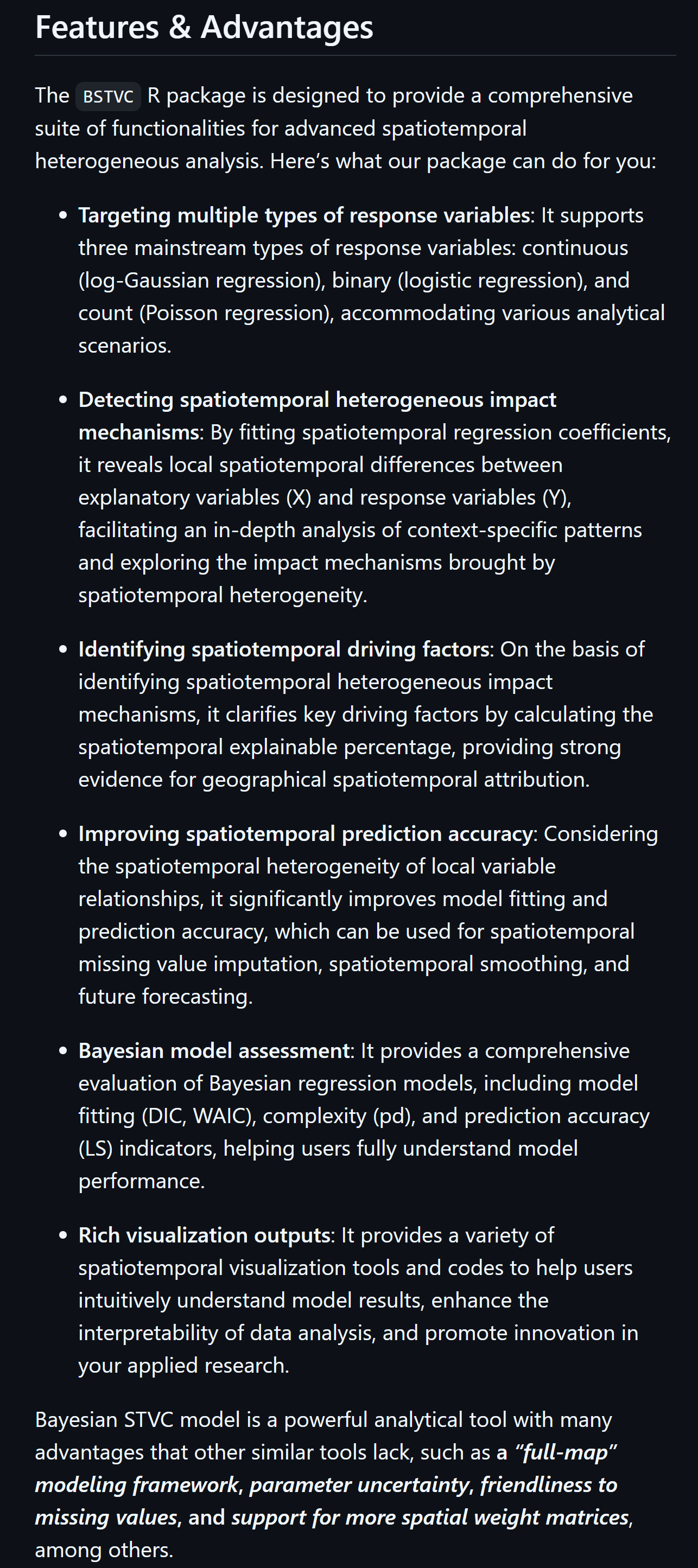
The BSTVC R package is designed to provide a comprehensive suite of functionalities for advanced spatiotemporal heterogeneous analysis. Here’s what our package can do for you:
- Targeting multiple types of response variables: It supports three mainstream types of response variables: continuous (log-Gaussian regression), binary (logistic regression), and count (Poisson regression), accommodating various analytical scenarios.
- Detecting spatiotemporal heterogeneous impact mechanisms: By fitting spatiotemporal regression coefficients, it reveals local spatiotemporal differences between explanatory variables (X) and response variables (Y), facilitating an in-depth analysis of context-specific patterns and exploring the impact mechanisms brought by spatiotemporal heterogeneity.
- Identifying spatiotemporal driving factors: On the basis of identifying spatiotemporal heterogeneous impact mechanisms, it clarifies key driving factors by calculating the spatiotemporal explainable percentage, providing strong evidence for geographical spatiotemporal attribution.
- Improving spatiotemporal prediction accuracy: Considering the spatiotemporal heterogeneity of local variable relationships, it significantly improves model fitting and prediction accuracy, which can be used for spatiotemporal missing value imputation, spatiotemporal smoothing, and future forecasting.
- Bayesian model assessment: It provides a comprehensive evaluation of Bayesian regression models, including model fitting (DIC, WAIC), complexity (pd), and prediction accuracy (LS) indicators, helping users fully understand model performance.
- Rich visualization outputs: It provides a variety of spatiotemporal visualization tools and codes to help users intuitively understand model results, enhance the interpretability of data analysis, and promote innovation in your applied research.
Bayesian STVC model is a powerful analytical tool with many advantages that other similar tools lack, such as *a “full-map” modeling framework, parameter uncertainty, friendliness to missing values, and support for more spatial weight matrices***, among others.
Academic Highlights: BSTVC series models (since 2018)
Bayesian Spatiotemporally Varying Coefficients (BSTVC) series models (2019, 2020, 2022): A unified full-map approach to detecting spatiotemporal heterogeneity of variable relationships.

We proposed the series models of BSTVC as a new kind of spatiotemporal non-stationary regression approach that can be widely used to explore spatiotemporally varying and multi-level relationships of variables, including temporal, spatial, and spatiotemporal interaction heterogeneity. BSTVC series models are designed within the real full-map Bayesian hierarchical modeling framework with flexibility in model extensibility (Song, et al, 2022).
BSTVC series models aim to analyze complex spatiotemporal heterogeneous associations between the target variable and various explanatory variables in the real world, which can be applied in broader nature and social sciences to solve space–time scale issues related to description, influencing factor analysis, and prediction (Song, et al, 2022).
-
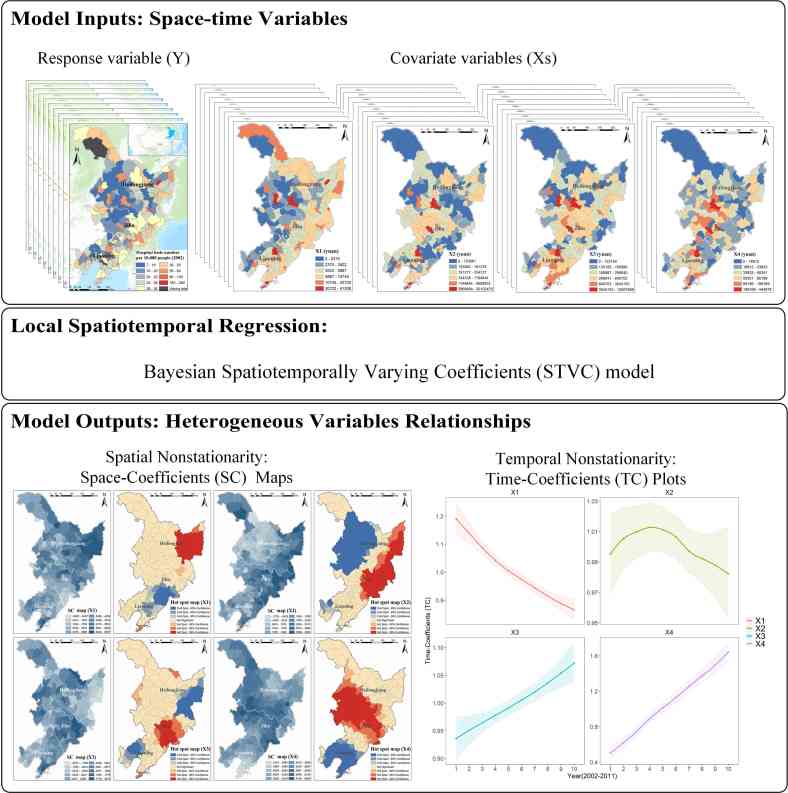
Spatiotemporally Varying Coefficients (STVC) model: A Bayesian local regression to detect spatial and temporal nonstationarity in variables relationships -
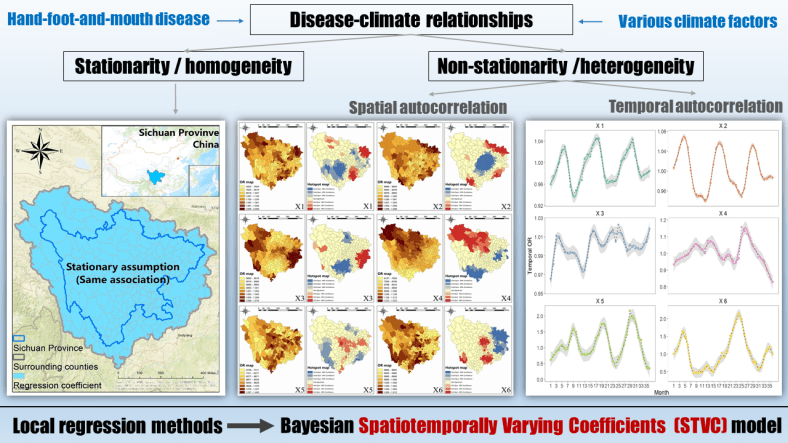
Exploring spatiotemporal nonstationary effects of climate factors on hand, foot, and mouth disease using Bayesian Spatiotemporally Varying Coefficients (STVC) model in Sichuan, China -
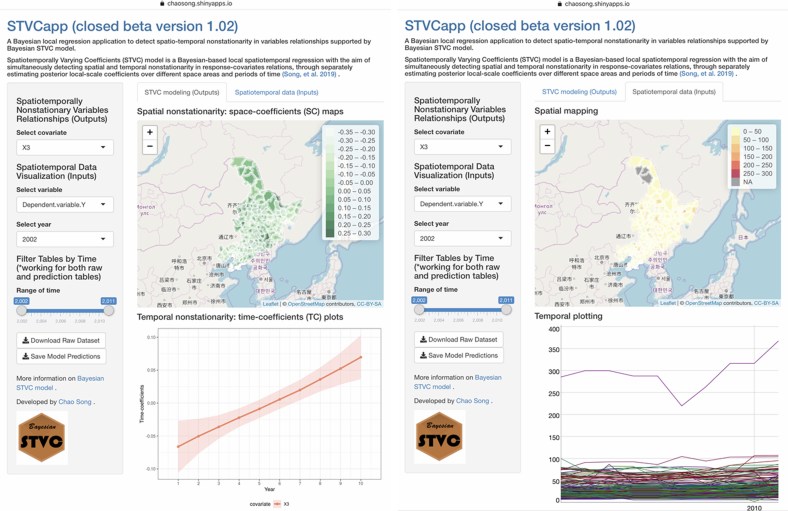
STVCapp: A Bayesian local regression application to detect spatio-temporal nonstationarity in variables relationships supported by Bayesian STVC model -
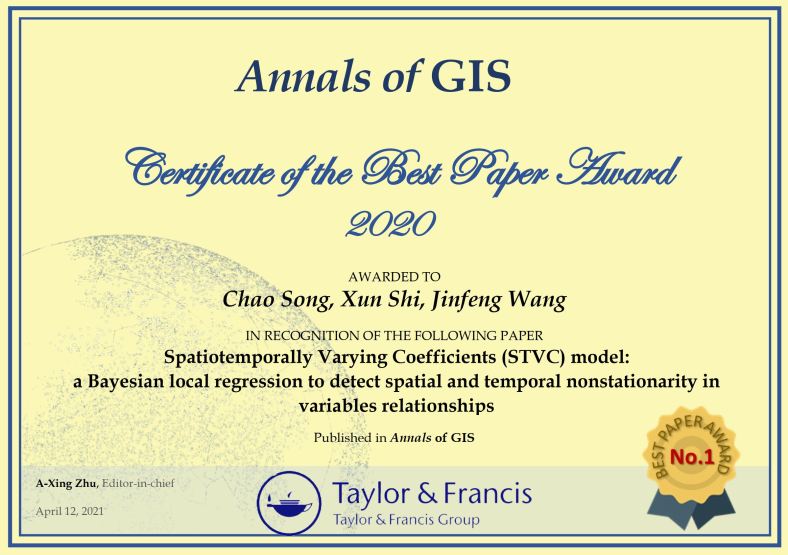
Winning of the best paper award -
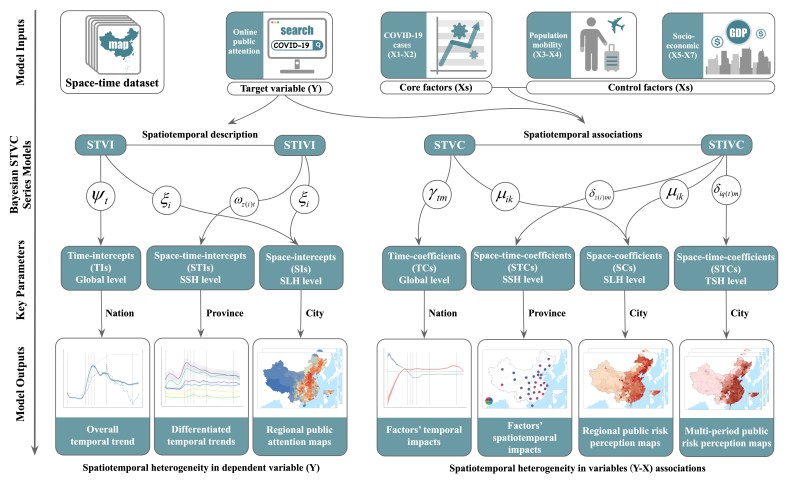
Bayesian STVC series models (2022)
The STVC (Song, et al. 2019, Song, et al. 2020) and STIVC (Song, et al, 2022) models are the two cores of Bayesian STVC series modeling, which are based on the non-stationary assumptions of spatiotemporal independence and spatiotemporal interaction, respectively.
【STVC】Spatiotemporally Varying Coefficients (STVC) model is a kind of Bayesian local spatiotemporal non-stationary regression, aiming to simultaneously quantify spatial and temporal heterogeneous associations between the dependent variable (Y) and various independent variables (Xs) with the consideration of spatial and temporal autocorrelation (Song, et al. 2019, Song, et al. 2020). Compared with the frequentist-based local spatiotemporal non-stationary regressions, Bayesian ones have the advantages of being a real full-map (complete and unified) modeling approach, incorporating prior knowledge and uncertainties (credible intervals on parameters) into modeling directly, as well as being much more flexible in model extensibility (Song, et al. 2020).
【STIVC】A potential limitation of the original Bayesian STVC modeling lies in its assumption of space–time independence. We propose a Bayesian Spatiotemporally Interacting Varying Coefficients (STIVC) model to incorporate the non-stationary random effects of spatiotemporal interaction for covariates (explanatory factors) at the spatial stratified heterogeneity(SSH) level, instead of at the spatial local heterogeneity (SLH) level (the most refined spatial scale) (Song, et al, 2022). Compared with the previous STVC model, in addition to considering space–time interactions, another advantage of the improved STIVC model resides in its flexibility in analyzing complex space–time coupling data organized in two levels, such as counties/cities within states/provinces at the space scale, or days/seasons within months/years at the time scale (Song, et al, 2022).
BSTVC series models with applications in COVID-19
Key improvements to the BSTVC modeling system
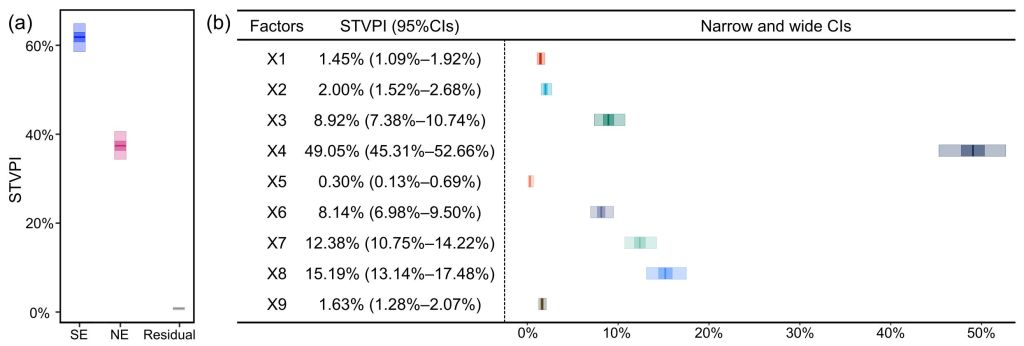
Spatiotemporal Variance Partitioning Index (STVPI)
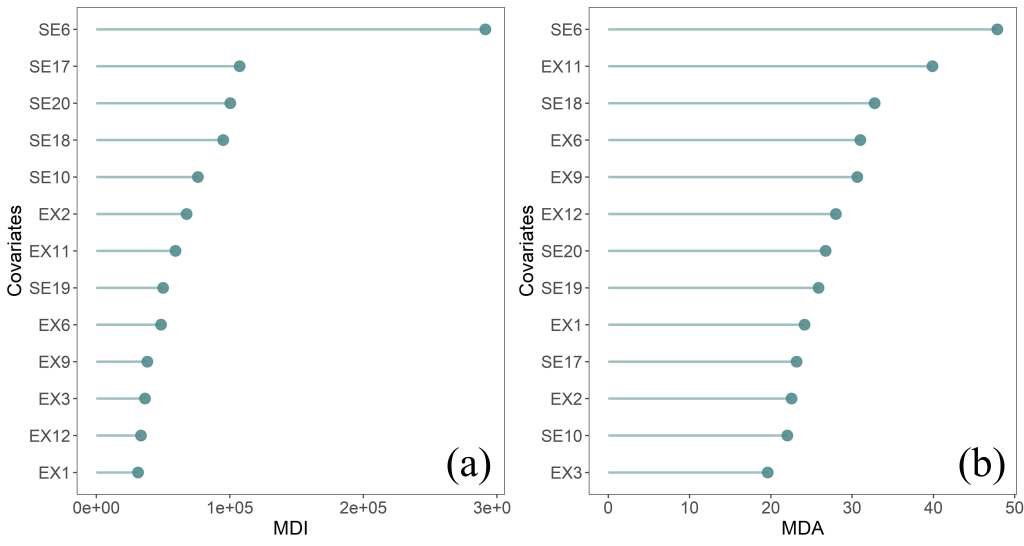
- We innovatively introduced the variance partitioning theory to extend the Bayesian STVC modeling system in order to propose a spatiotemporal variance partitioning index (STVPI) to characterize the space-time relative importance (explainable percentage) of explanatory factors on the target variable (Wan, et.al. 2022).
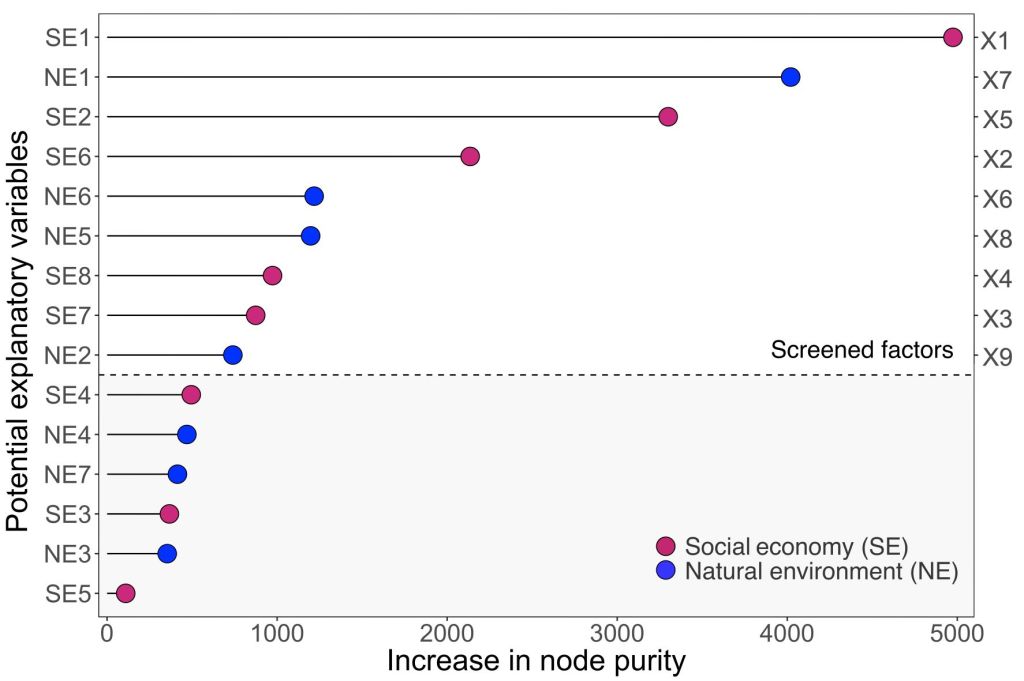
The STVPI can be used as a new screening tool for space-time factors. The traditional methods used for factor selection are based on the hypothesis of stationarity without considering the spatiotemporal heterogeneous influences of explanatory factors. Hence, for spatiotemporal-oriented studies, we recommend the use of STVPI to evaluate the importance of candidate variables, which should be a better option than traditional stationary-based approaches.
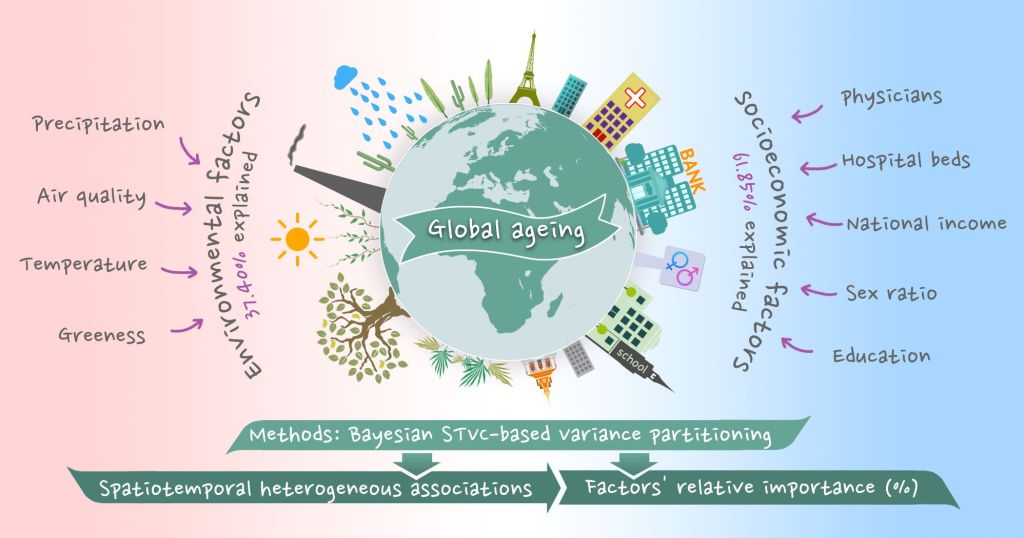
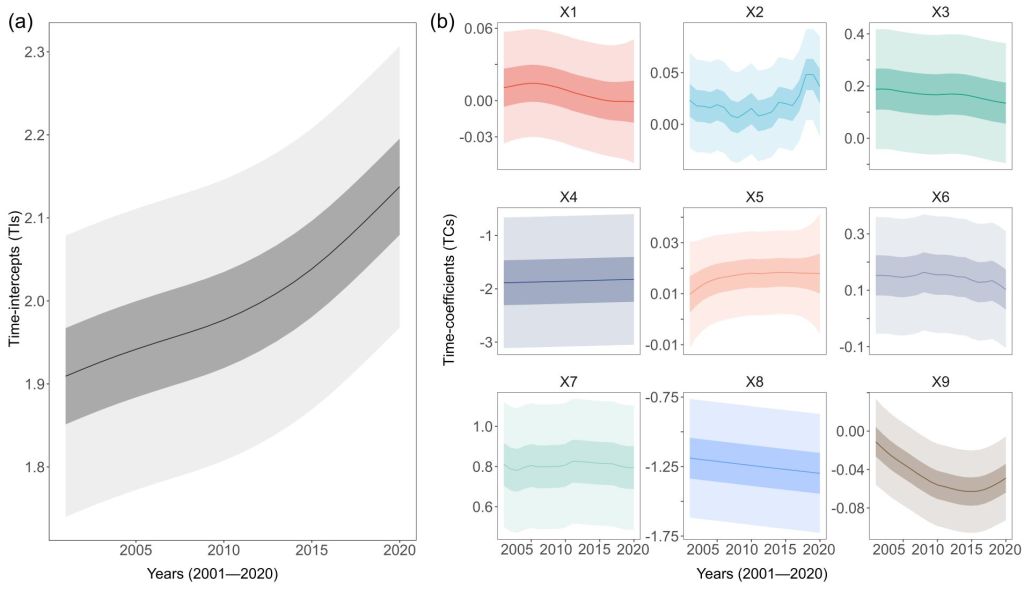
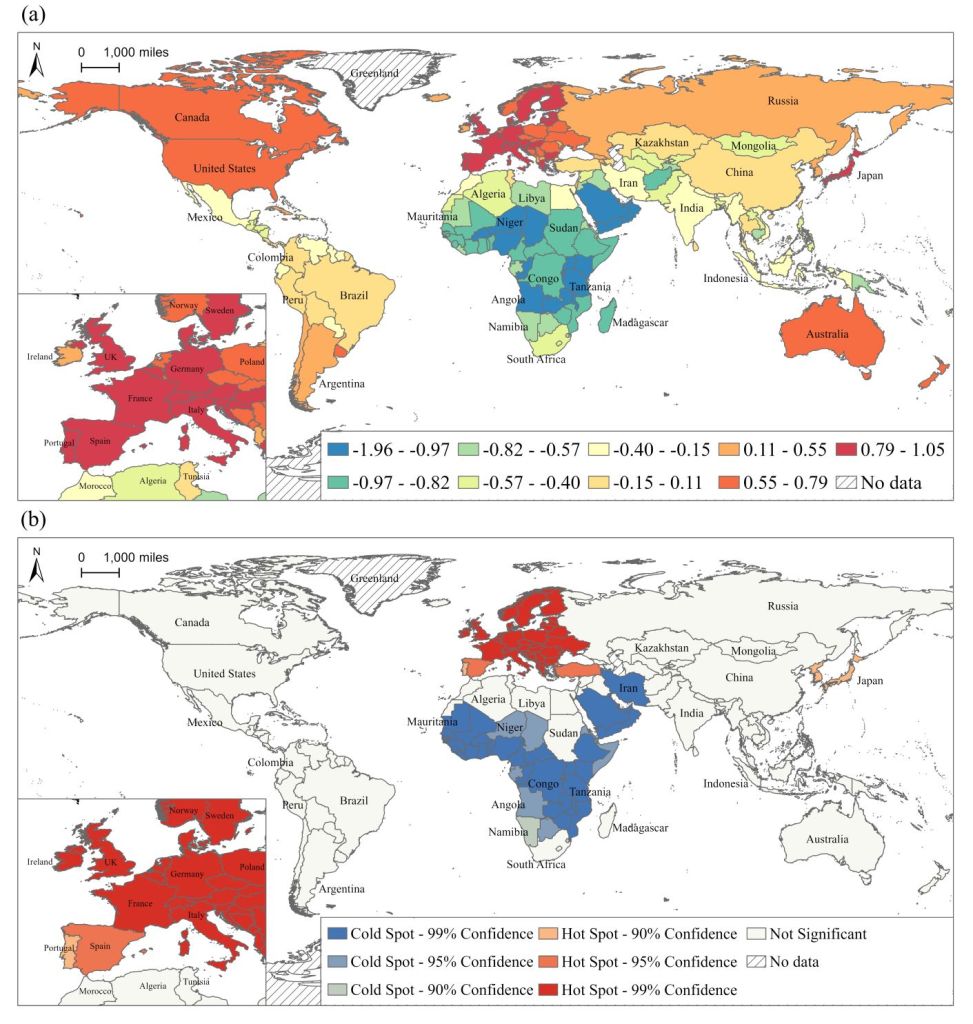
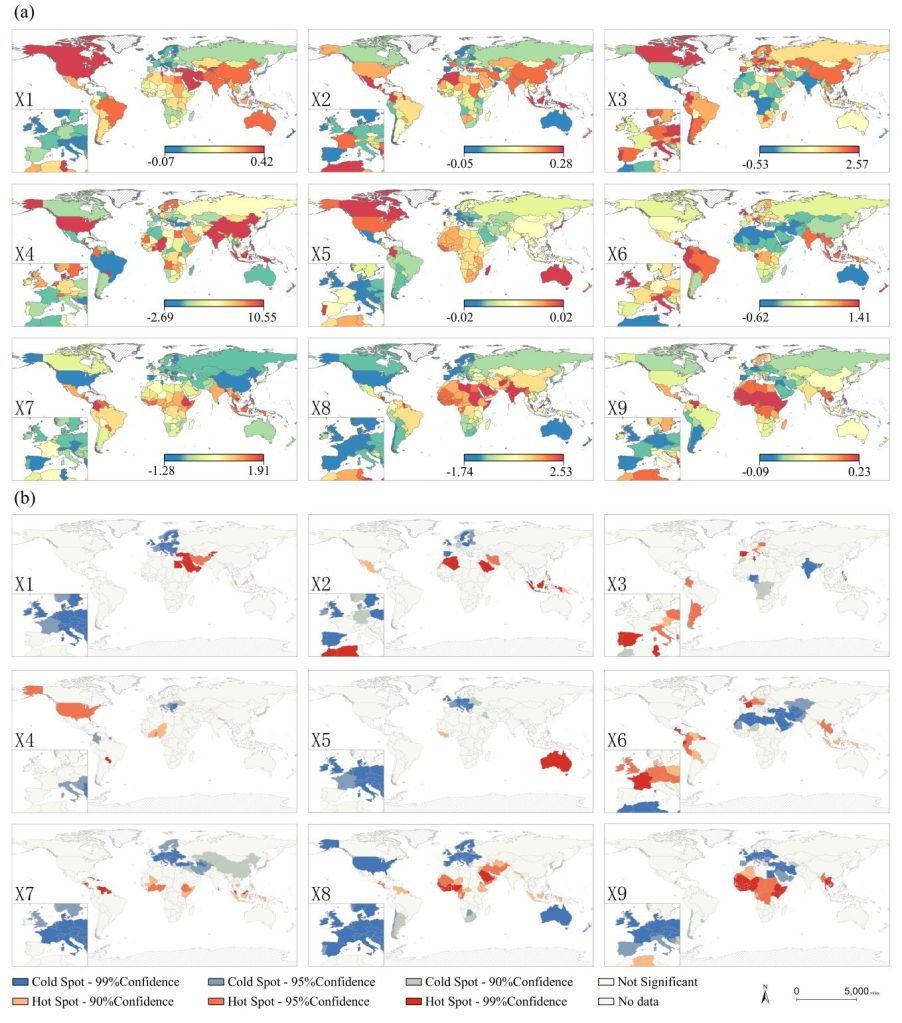
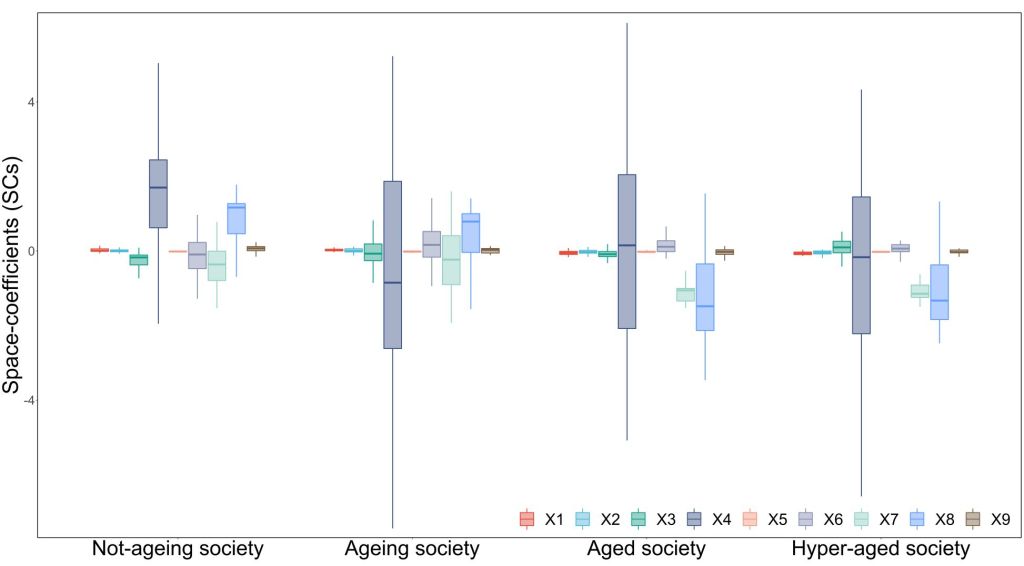
The STVPI successfully demonstrated the close associations between socioeconomic development and environment and national ageing globally over the last twenty years and identified the five most critical influencing factors (Wan, et.al. 2022).
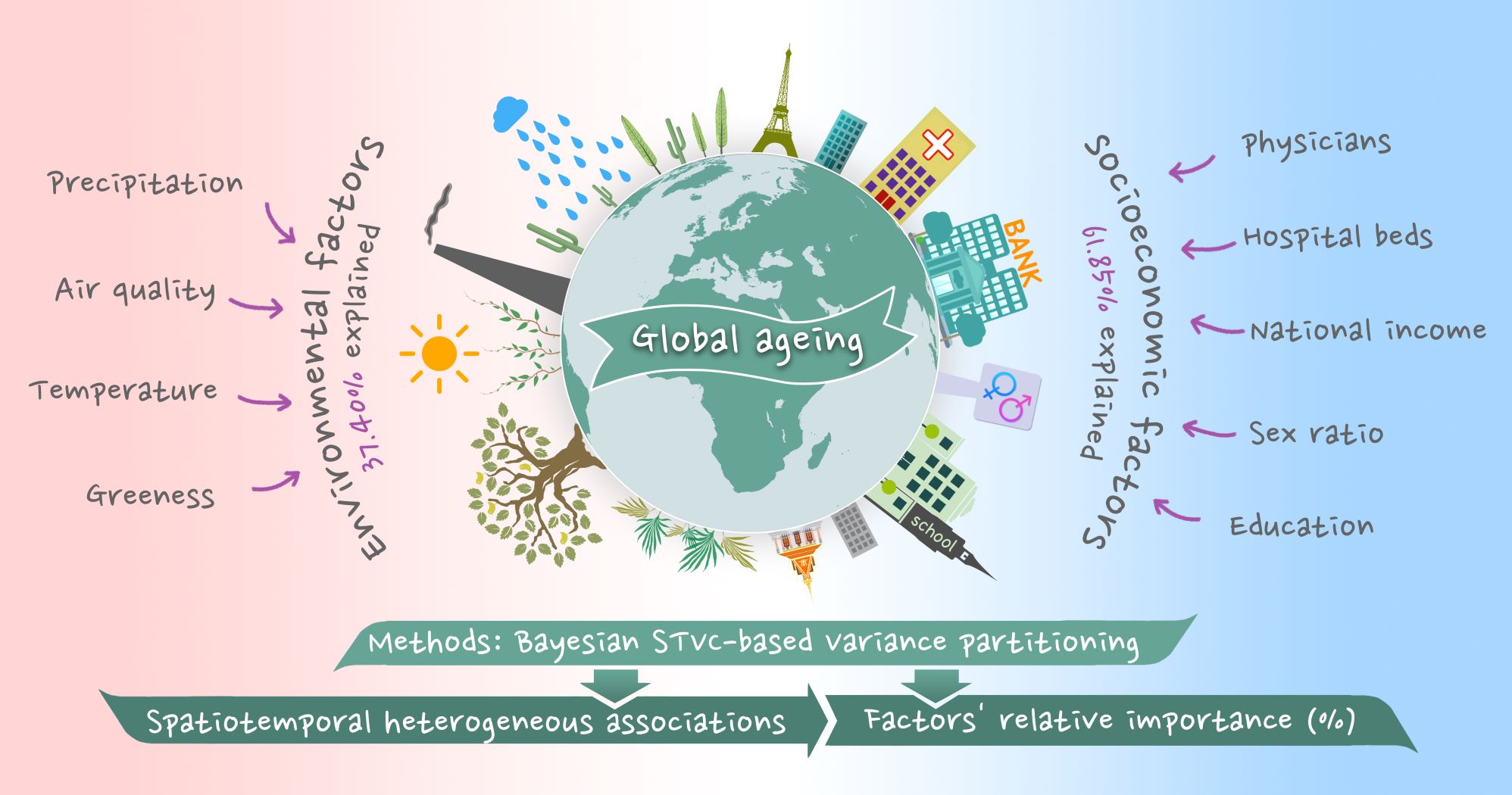
Graphical abstract of the article “Spatiotemporal heterogeneity in associations of national population ageing with socioeconomic and environmental factors at the global scale (Wan, et.al. 2022)”
Theoretical articles (references):
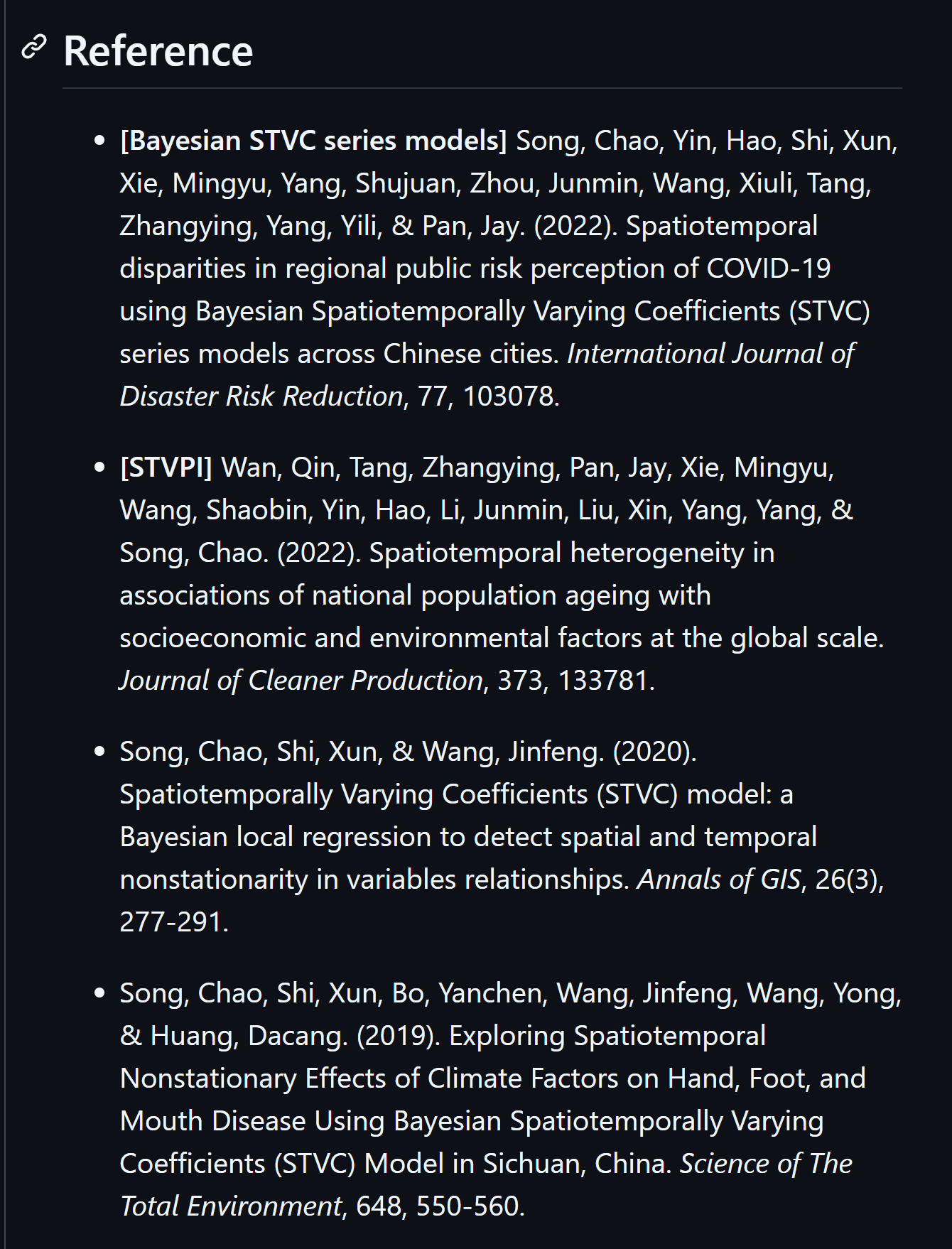
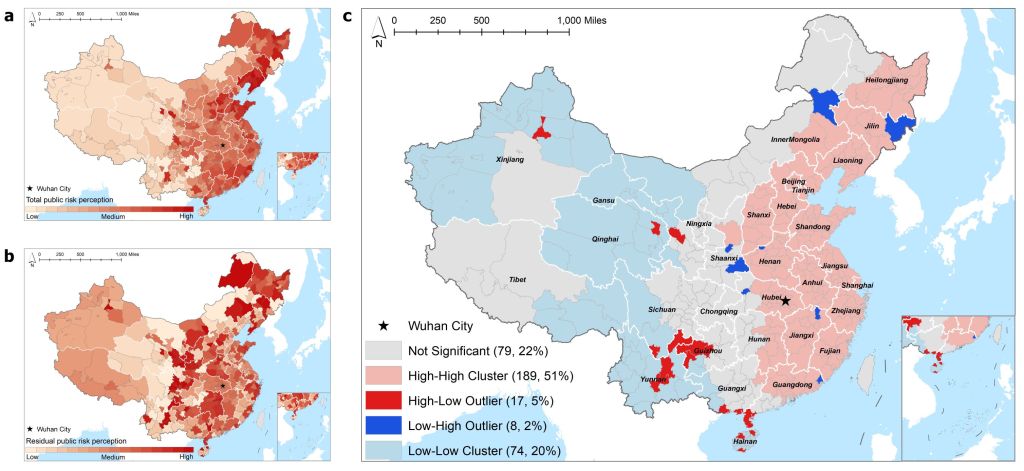
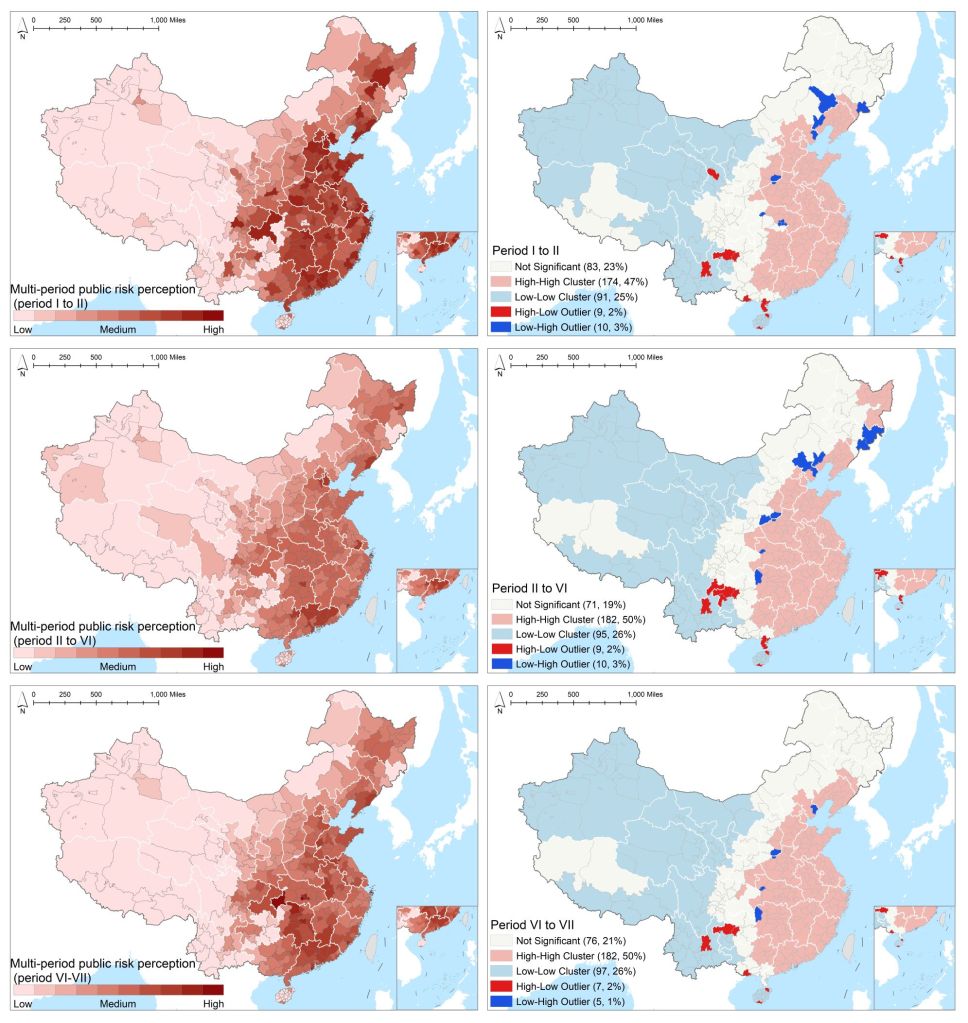
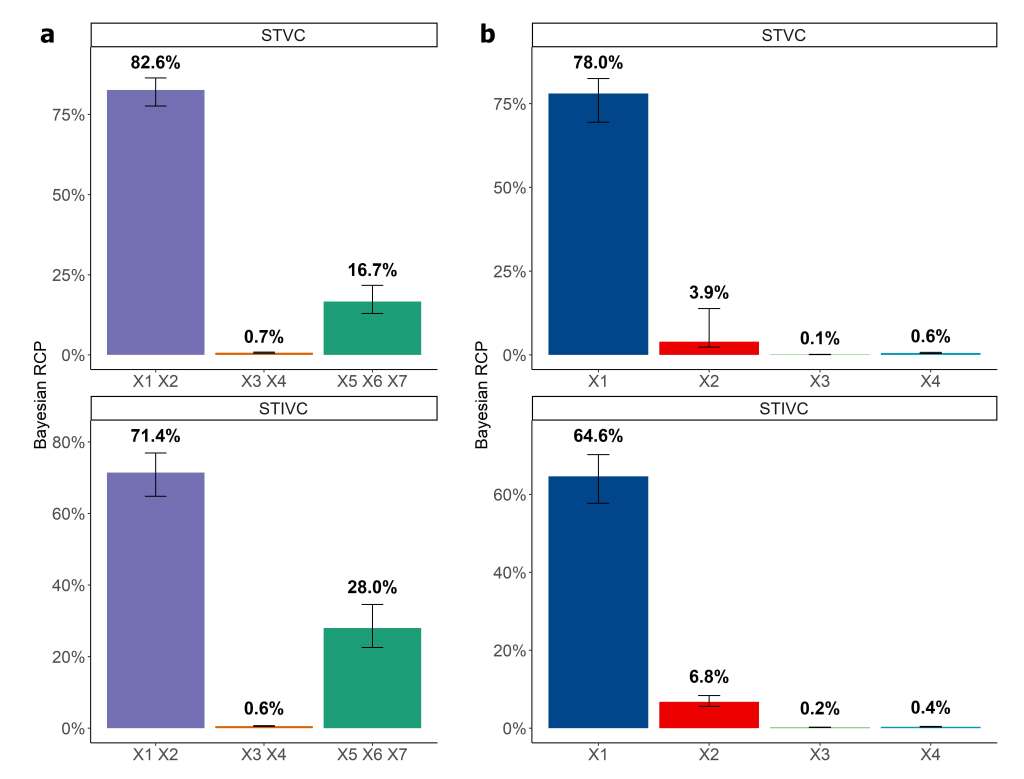
2022: Spatiotemporal disparities in regional public risk perception of COVID-19 using Bayesian Spatiotemporally Varying Coefficients (STVC) series models across Chinese cities. International Journal of Disaster Risk Reduction 2022:103078. DOI: 10.1016/j.ijdrr.2022.103078.
2022 (STVPI): Spatiotemporal heterogeneity in associations of national population ageing with socioeconomic and environmental factors at the global scale, Journal of Cleaner Production, 2022. DOI: 10.1016/j.jclepro.2022.133781.
2020: Spatiotemporally Varying Coefficients (STVC) model: a Bayesian local regression to detect spatial and temporal nonstationarity in variables relationships.” Annals of GIS (2020). DOI: 10.1080/19475683.2020.1782469. (First place in Annals of GIS best paper award 2020)
2019: Exploring spatiotemporal nonstationary effects of climate factors on hand, foot, and mouth disease using Bayesian Spatiotemporally Varying Coefficients (STVC) model in Sichuan, China. Science of the total environment (2019). DOI: https://doi.org/10.1016/j.scitotenv.2018.08.114 (ESI highly cited paper in 2019) (Download PDF)
Online application under development, STVCapp (2020): A Bayesian local regression web application to detect spatiotemporal autocorrelated nonstationarity in variables relationships supported by the Bayesian STVC model.
More information on the Bayesian STVC model homepage (English) and Baidu Baike (Chinese). Welcome to utilize our Bayesian STVC series models for your own research. Feel free to contact us ( chaosong.gis@gmail.com ).
News (2016-2025)
2025
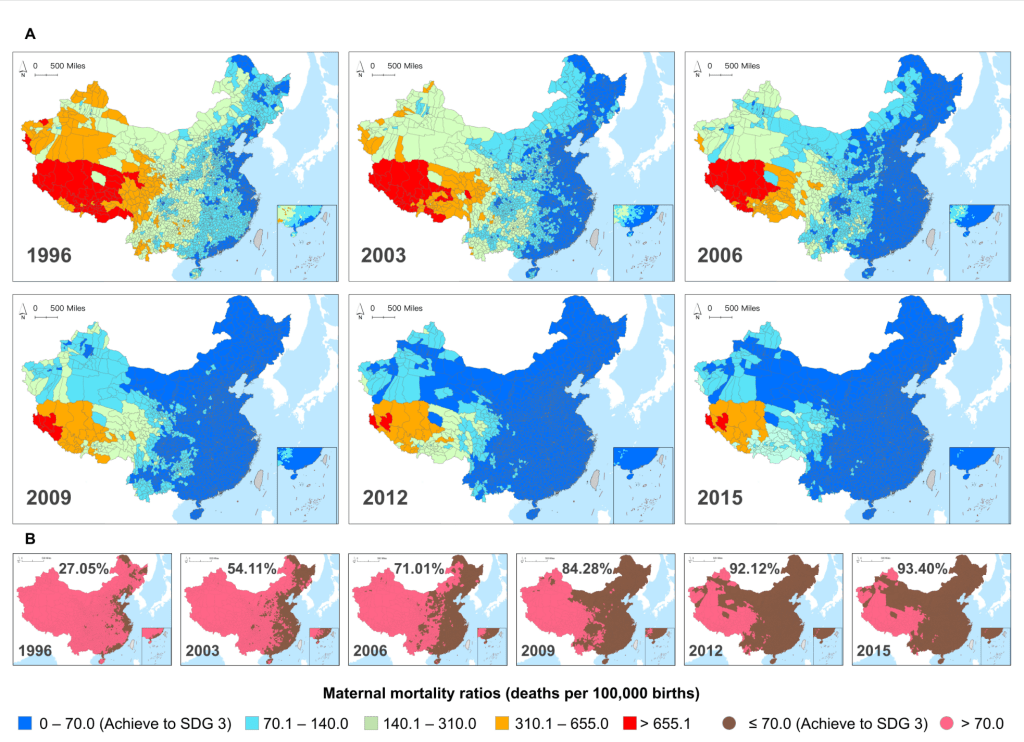
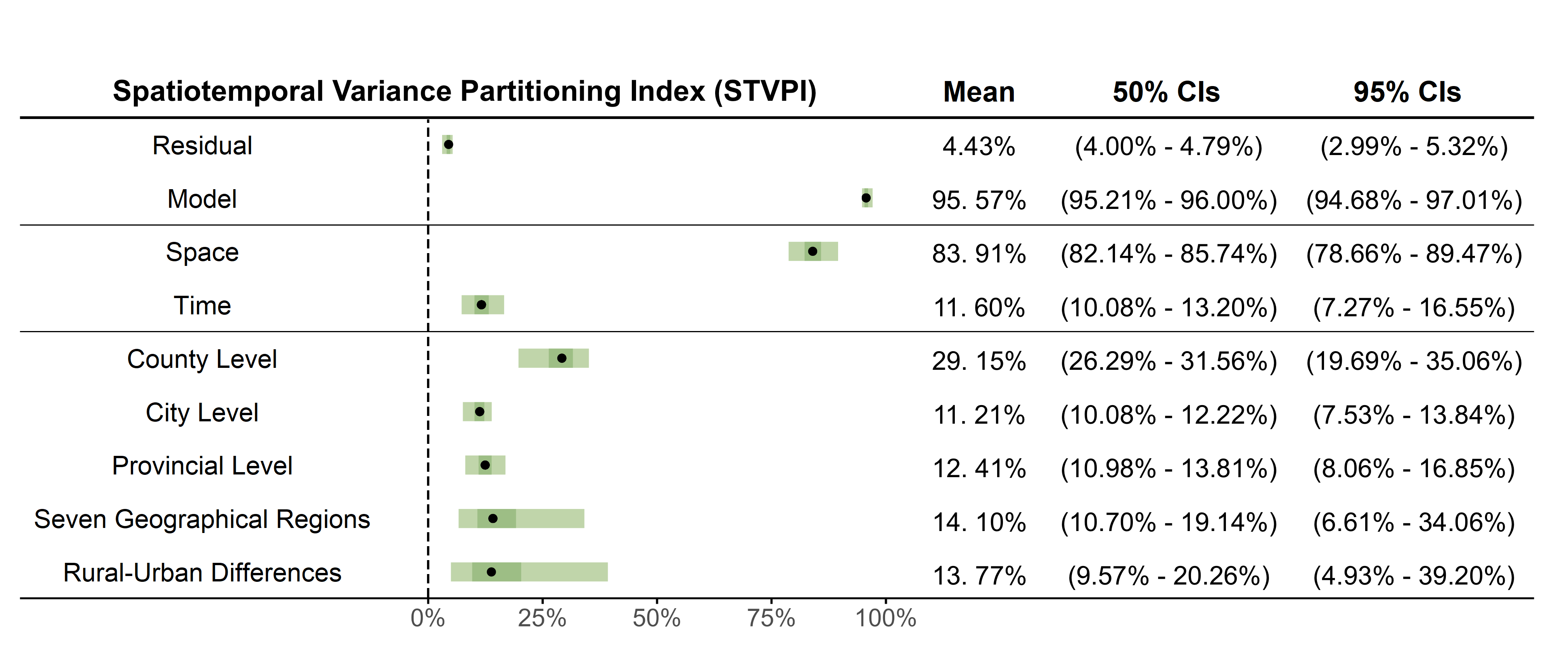
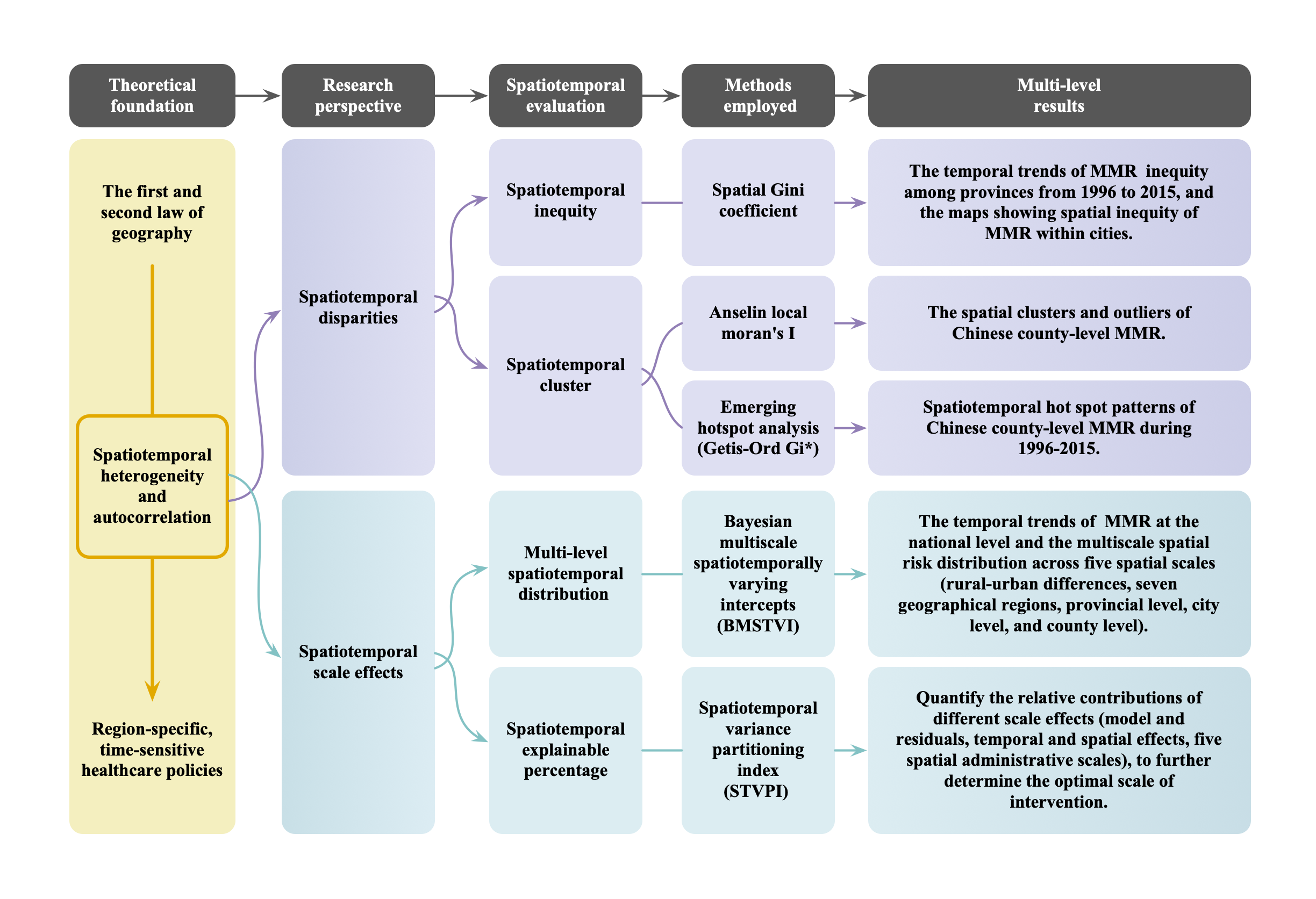
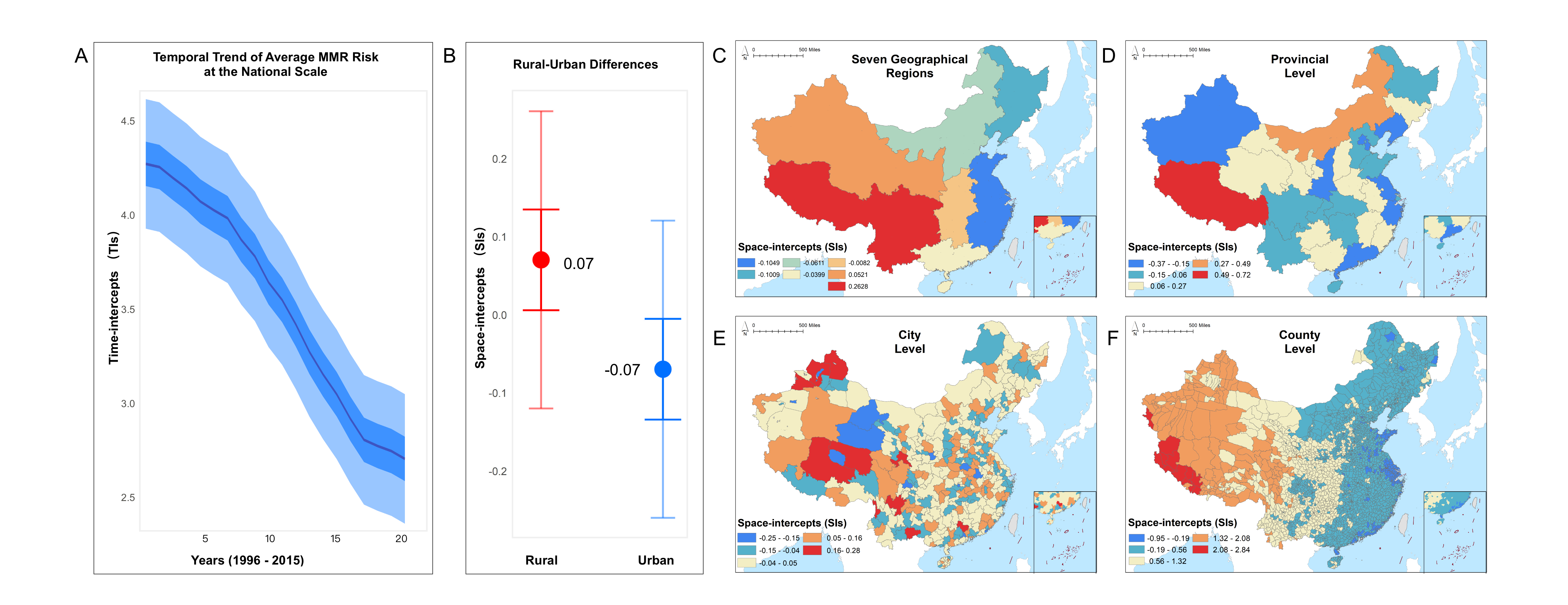
May, 2025. Research Update: Chao Song ‘s research team published a new paper titled “Spatiotemporal disparities in maternal mortality and the role of multiscale administrative levels: a 20-year study across Chinese counties.” We discovered temporally varying but spatially stable inequity patterns in maternal deaths at the county level in China. The contribution from the administrative county-level was the highest (29.15%, 95% CIs: 19.69%−35.06%).
Reference: Liao, L., Yuan, F., He, Y., Shixi, X., Tang, X., Xie, M., … & Song, C. Spatiotemporal disparities in maternal mortality and the role of multiscale administrative levels: a 20-year study across Chinese counties. Frontiers in Public Health, 13*, 1572382.
-
-
-
-
April, 2025. Research Update: Chao Song ‘s research team published a Chinese paper titled “Medical Resource Allocation Efficiency in Small Areas: A Spatial-Temporal Evaluation Based on Sichuan County Panel Data (医疗资源配置效率的小区域时空评价:基于四川省县域面板数据的实证研究)” in the journal China Health Service Management (中国卫生事业管理).
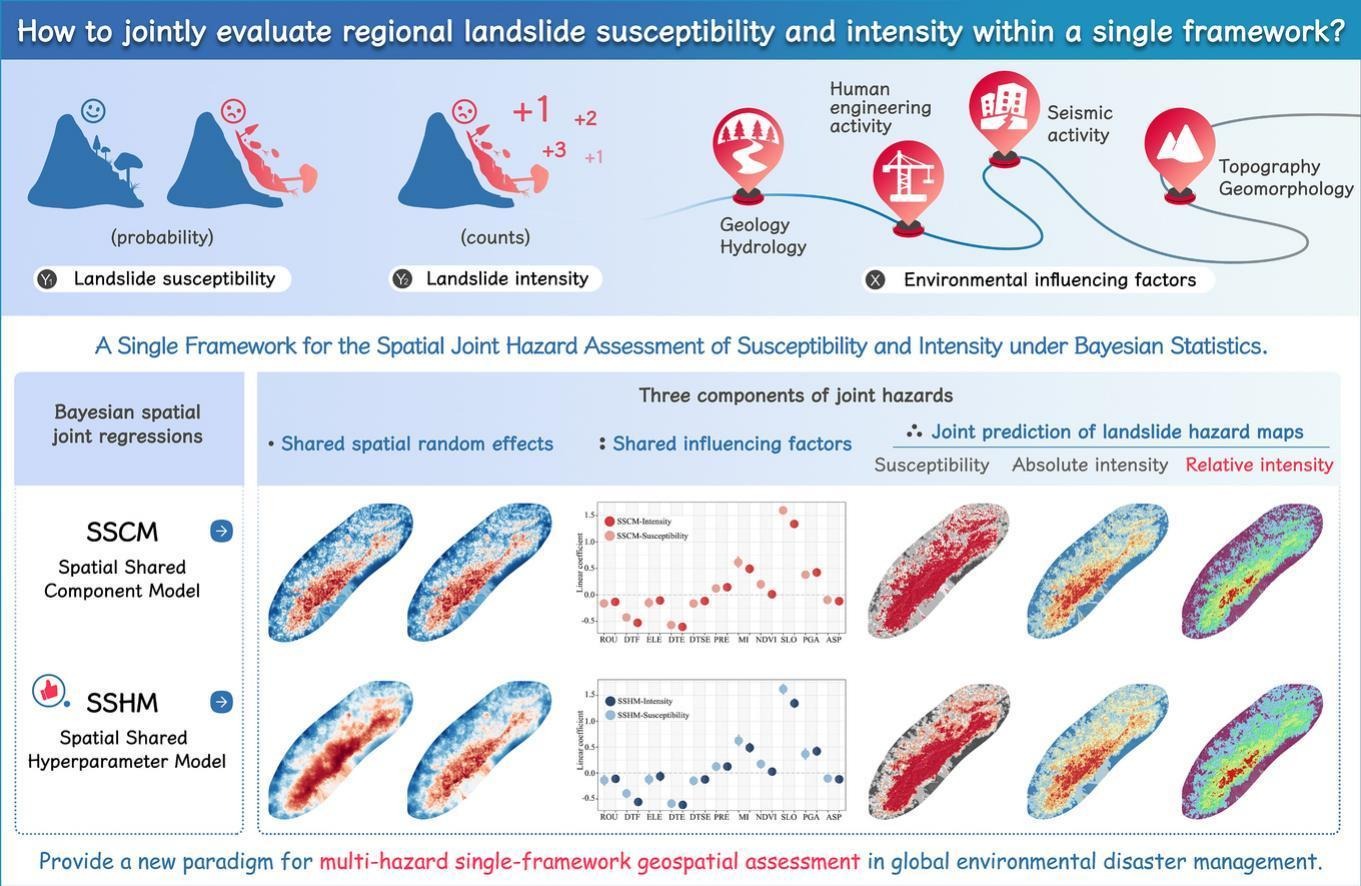
Jaunary, 2025. Research Update: Spatial Joint Hazard Assessment of Landslide Susceptibility and Intensity
Chao Song, as the corresponding author, led a collaborative team from Sichuan University’s HEOA-West China Health and Medical Geography Group, along with Southwest Petroleum University, Emory University, the Institute of Geography, Chinese Academy of Sciences, Northeast Normal University, Xi’an Jiaotong University, and the National Institute for Disaster Prevention under the Ministry of Emergency Management. Their groundbreaking study, titled “Spatial Joint Hazard Assessment of Landslide Susceptibility and Intensity within a Single Framework: Environmental Insights from the Wenchuan Earthquake,” was published in **Science of The Total Environment **(2025). https://doi.org/10.1016/j.scitotenv.2025.178545
This research introduces two advanced Bayesian spatial joint regression models—Spatial Shared Component Model (SSCM) and Spatial Shared Hyperparameter Model (SSHM)—to assess both landslide susceptibility and intensity within a unified framework. This innovative approach overcomes previous limitations of separately evaluating these two hazard scenarios, offering a novel geospatial paradigm for multi-objective risk assessment in global environmental disaster management.
Jaunary, 2025. New R pacakage BSTVC (Bayesian Spatiotemporally Varying Coefficients modeling): Spatiotemporal heterogeneous perspective for analyzing influencing factors, identifying key drivers, and making dynamic predictions, all within a unified ‘full-map’ framework. https://github.com/songbi123/BSTVC
-
-
-

-
-
2024
October, 2024. Research Update: “Air Pollution’s Numerical, Spatial, and Temporal Heterogeneous Impacts on Childhood Hand, Foot, and Mouth Disease“
A study led by Chao Song from Sichuan University, published in BMC Public Health, investigates the varying effects of air pollution on childhood hand, foot, and mouth disease (HFMD) across different regions, times, and pollutant concentrations in China. This multi-model, county-level research provides valuable insights for developing targeted public health strategies to reduce HFMD and improve child health. Read the full paper here.
In September 2024, Chao Song and collaborators, including Jie Pan, Feng Tian Zhang, and others, published a Chinese paper in Sichuan University Journal (Medical Edition), titled “Digital Intelligence Drives the High-Quality Development of the Healthcare Service System: Development Mechanisms and Implementation Pathway,” highlighting strategies for advancing healthcare through digital intelligence.
- A recent study titled “Analysis of the Inpatient Spatial Flow and Influencing Factors in Sichuan Province,” co-authored by Chao Song, was published in Chinese Hospital Management (Volume 44, Issue 4, Pages 44-50) in Chinese. The research examines the spatial flow of hospitalized patients in Sichuan Province and identifies key factors influencing patient movement patterns. The findings provide valuable insights for improving hospital resource allocation and healthcare management in the region.
Aug, 2024. A recent study co-authored by Chao Song, titled “PM2.5 chemical components are associated with in-hospital case fatality among acute myocardial infarction patients in China,” was published in Ecotoxicology and Environmental Safety. The research investigates how specific chemical components of PM2.5 are linked to higher in-hospital mortality rates in patients with acute myocardial infarction, shedding light on the serious health risks of air pollution in China. https://doi.org/10.1016/j.ecoenv.2024.11689
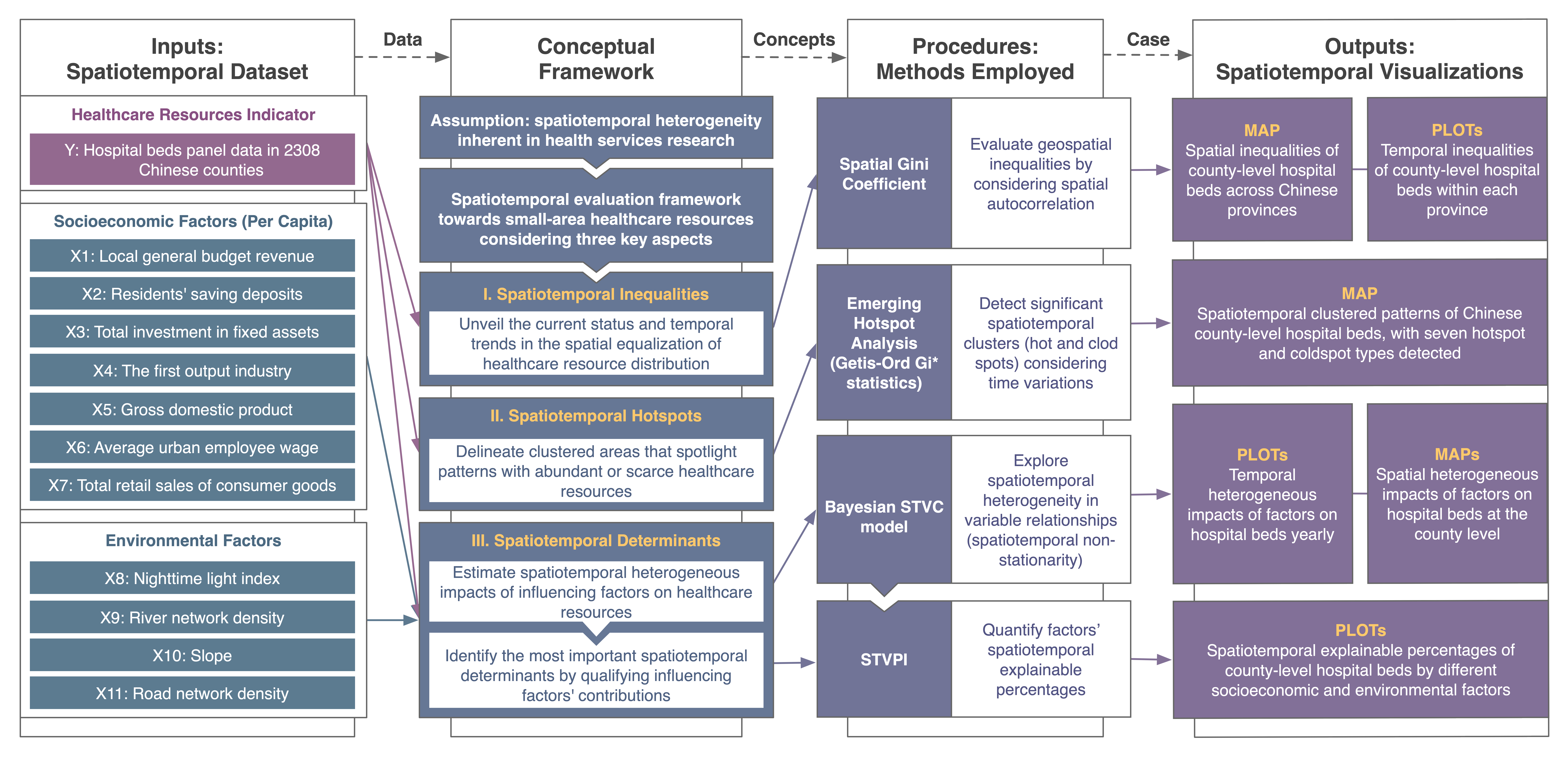
On February 9, 2024, an article for which Chao Song is the lead author, titled “Revealing Spatiotemporal Inequalities, Hotspots, and Determinants in Healthcare Resource Distribution: Insights from Hospital Beds Panel Data in 2308 Chinese Counties,” was published in BMC Public Health. The article is accessible to the public and can be found at DOI: https://doi.org/10.1186/s12889-024-17950-y
In this study, we introduce an innovative evaluation framework designed to comprehensively assess healthcare resources in small areas from the perspective of geographic spatiotemporal disparities. This framework focuses on three main dimensions: revealing the spatiotemporal inequalities in the distribution of healthcare resources, identifying regional hotspots of spatiotemporal clustering, and determining the key spatiotemporal factors that influence the distribution of healthcare resources. Using data on hospital bed resources across Chinese counties over the past decade, this paper demonstrates the effectiveness and foresight of this evaluation system in considering small-area spatiotemporal heterogeneity.
On January 4, 2024, an article authored by Chao Song titled ‘Editorial: Applications of Geospatial Information Technologies and Spatial Statistics in Health Services Research‘ was published in the journal Frontiers in Public Health. This publication marks a significant contribution to the field, emphasizing the vital role of geospatial information technologies and spatial statistics in advancing health services research. The article is freely accessible to the public and can be found at doi: 10.3389/fpubh.2023.1349985.
2023
New National Invention Patent: A Method for Detecting Spatiotemporal Differences in Public Risk Perception of Public Health Emergencies
Chao Song, as the primary inventor, alongside Jie Pan and Mingyu Xie, has been granted a national invention patent (CN Patent ZL 2022 1 0217055.2) for a method that detects the spatiotemporal differences in public risk perception during public health emergencies. This innovative approach offers valuable insights into understanding how public awareness and concern evolve across regions and time, aiding in more effective risk communication and response strategies.
In a collaborative effort, Chao Song, along with Lin X., Cai M., Tan K., Liu E., Wang X., and Pan J., contributed to a groundbreaking study titled ‘Ambient Particulate Matter and In-Hospital Case Fatality of Acute Myocardial Infarction: A Multi-Province Cross-Sectional Study in China.’ This research, published in the journal Ecotoxicology and Environmental Safety (Volume 268, Article 115731, 2023), explores the impact of ambient particulate matter on the case fatality rates of acute myocardial infarction patients within hospitals across multiple provinces in China. The study underscores the significant health risks posed by air pollution and its direct correlation with increased mortality rates in acute myocardial infarction cases, marking a crucial step forward in understanding environmental determinants of heart disease outcomes. DOI: 10.1016/j.ecoenv.2023.115731
In a recent collaborative study, Chao Song, alongside He Y., Seminara P.J., Huang X., Yang D., and Fang F., has co-authored an insightful article titled ‘Geospatial Modeling of Health, Socioeconomic, Demographic, and Environmental Factors with COVID-19 Incidence Rate in Arkansas, US.’ Published in the ISPRS International Journal of Geo-Information (Volume 12, Issue 2, Article 45, 2023), this research employs geospatial modeling to analyze the complex interplay between health outcomes and various socioeconomic, demographic, and environmental factors in relation to COVID-19 incidence rates in Arkansas, USA. The study’s findings provide a nuanced understanding of the pandemic’s dynamics at the local level, highlighting the critical role of geospatial analysis in public health strategy and response efforts. https://doi.org/10.3390/ijgi12020045
In an influential piece of research, Chao Song, in collaboration with Wang Q., Li X., Zhong W., Liu H., Feng C., and Yang S., has contributed to an article titled ‘Residential Greenness and Dyslipidemia Risk: Dose-Response Relations and Mediation Through BMI and Air Pollution.’ Published in Environmental Research (Volume 217, Article 114810, 2023), the study investigates the association between residential greenness and the risk of dyslipidemia. It further explores how this relationship is mediated by factors such as Body Mass Index (BMI) and exposure to air pollution. The findings suggest a significant dose-response relationship, offering pivotal insights into how urban planning and environmental policies could influence public health, particularly in reducing the risk of dyslipidemia through enhanced residential green environments. DOI: 10.1016/j.envres.2022.114810
2022
September 2022. Chao Song’s corresponding author article entitled “Spatiotemporal heterogeneity in associations of national population ageing with socioeconomic and environmental factors at the global scale” was openly published in the journal Journal of Cleaner Production (SCI, JCR Q1, IF=11.072), DOI: https://doi.org/10.1016/j.jclepro.2022.133781.
-
-
-
-
-
-
-
August 2022. Chao Song’s co-authored article entitled “A new method for estimating under-recruitment of a patient registry: A case study with the Ohio Registry of Amyotrophic Lateral Sclerosis” was published in the journal Scientific Reports (SCI, JCR Q2, IF=4.996), DOI: 10.1038/s41598-022-18944-9.
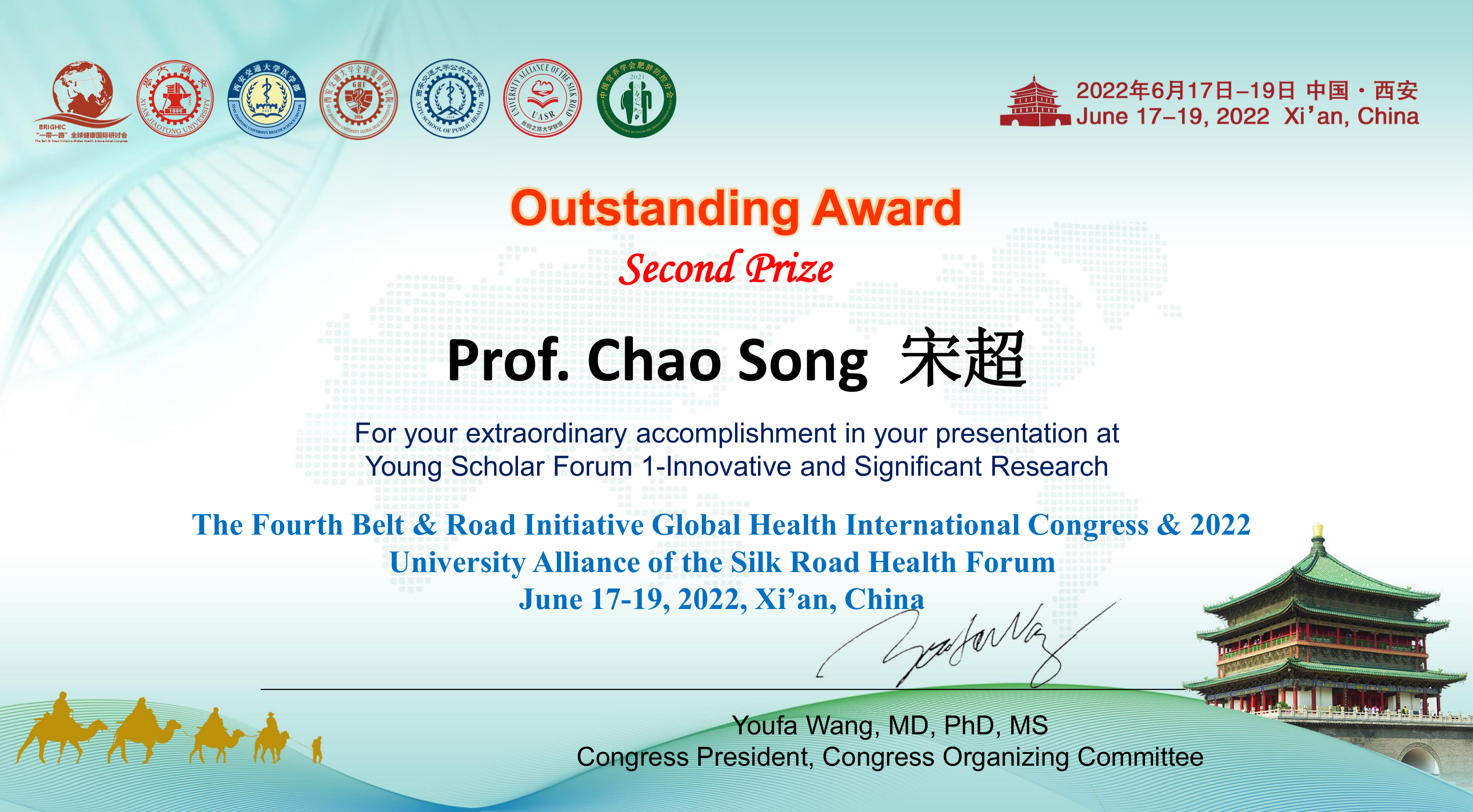
June 17–19, 2022. Outstanding Award (Second Prize), presentation at Young Scholar Forum 1-Innovative and Significant Research, The Fourth Belt & Road Initiative Global Health International Congress & 2022 University Alliance of the Silk Road Health Forum. Presentation title: Spatiotemporal heterogeneity in associations of national population ageing with socioeconomic and environmental factors at the global scale.
June 2022, Chao Song’s co-first author article entitled “Predicting the Geographical Distribution of Malaria-Associated Anopheles dirus in the South-East Asia and Western Pacific Regions Under Climate Change Scenarios” was published in the journal Frontiers in Environmental Science (SCI, JCR Q2, IF=5.411), DOI: https://doi.org/10.3389/fenvs.2022.841966.
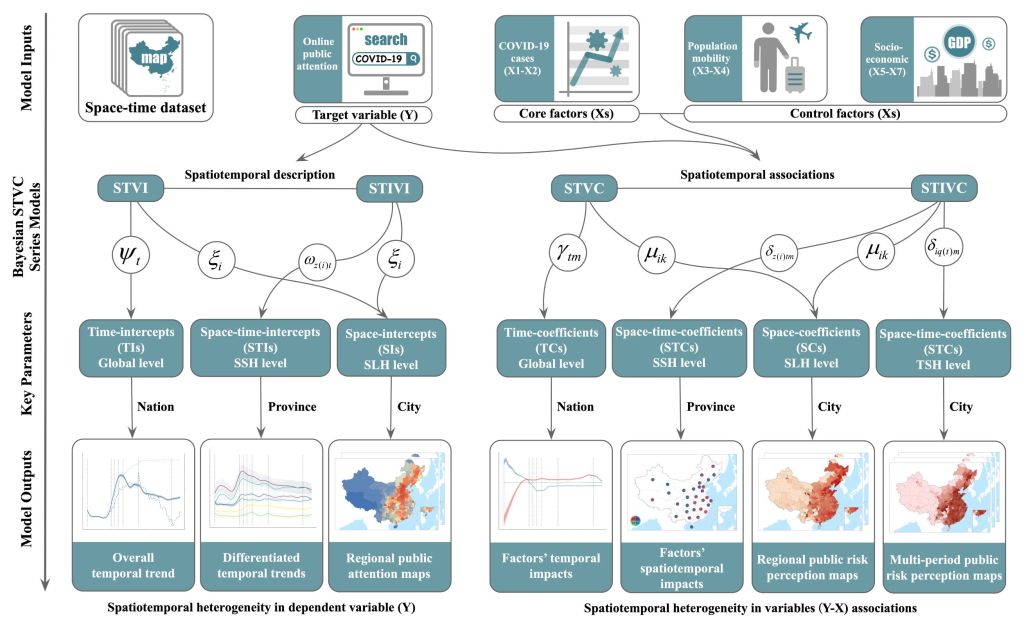
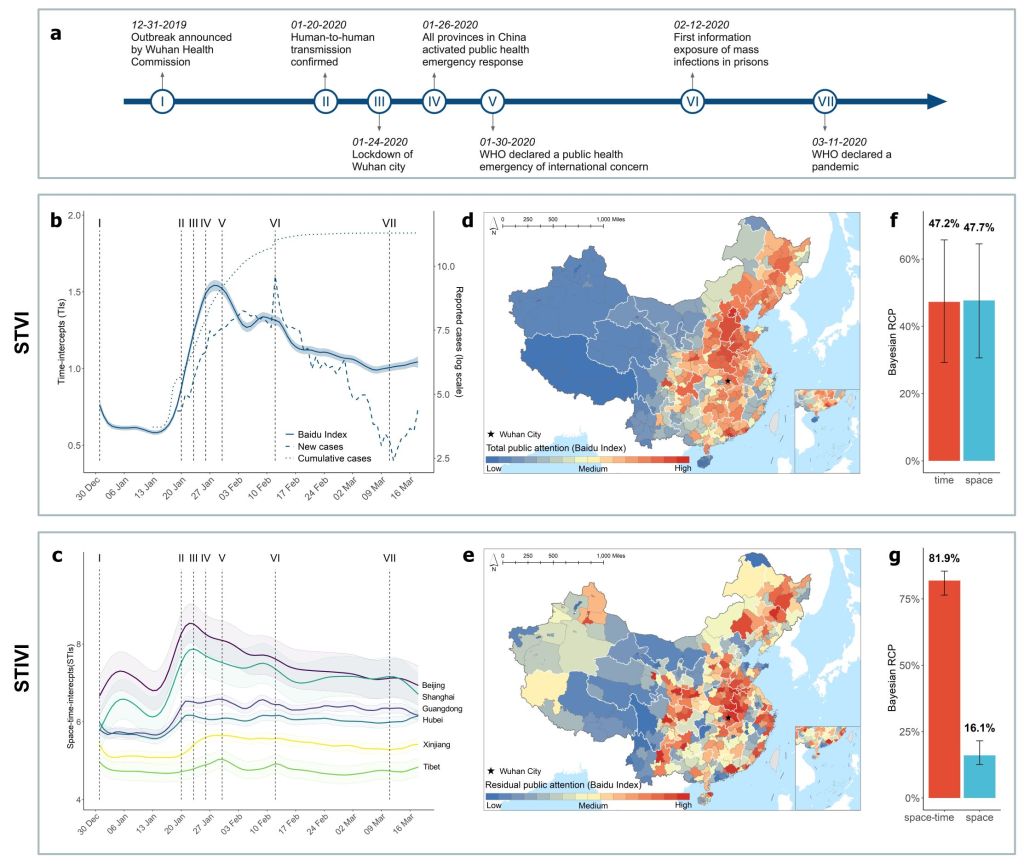
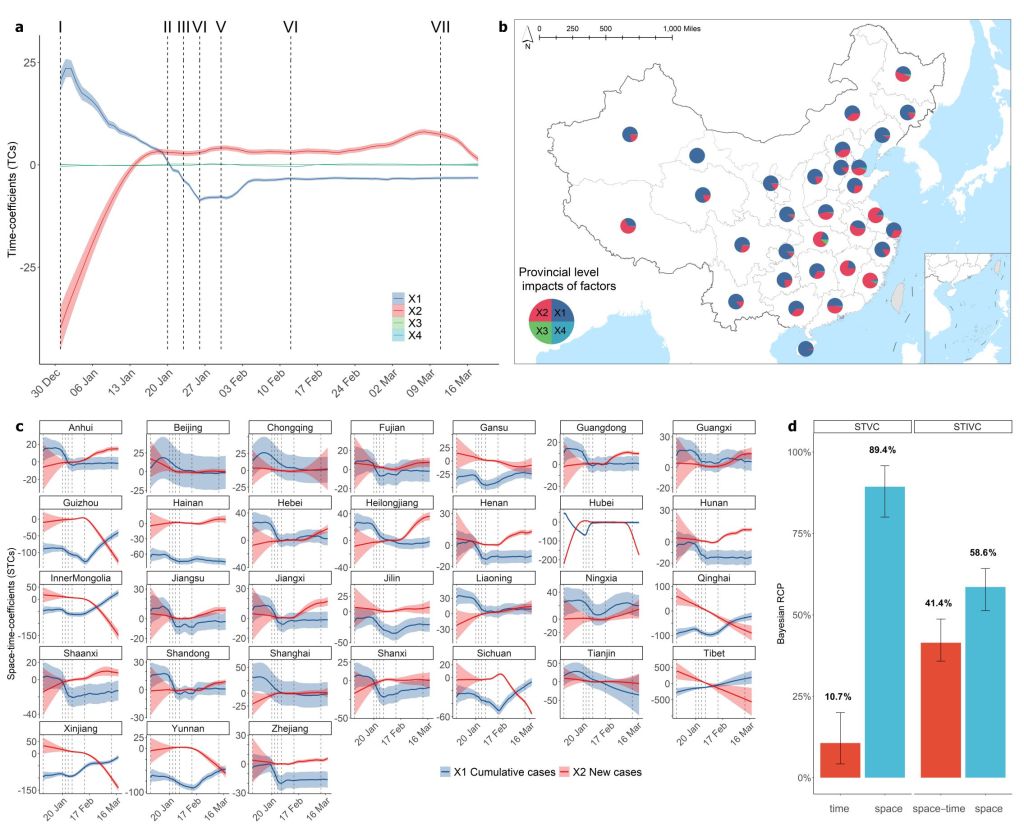
May 2022. Chao Song’s first author article entitled “Spatiotemporal disparities in regional public risk perception of COVID-19 using Bayesian Spatiotemporally Varying Coefficients (STVC) series models across Chinese cities” was published in the journal International Journal of Disaster Risk Reduction (SCI, JCR Q1, IF=4.842), DOI: 10.1016/j.ijdrr.2022.103078.
-
-
-
-
-
-
March 2022. Chao Song’s co-authored article entitled “An External Patient Healthcare Index (EPHI) for Simulating Spatial Tendencies in Healthcare Seeking Behavior” was published in the journal Frontiers in Public Health (SSCI q1, SCI, IF=6.461), DOI:10.3389/fpubh.2022.786467.
February-June, 2022. Completed the undergraduate course “Health Statistics III” as the lead instructor.
January 2022. NEWSfrom HEOA GROUP: Chao Song (PI) was funded by the Medical Science and Technology Project of Sichuan Provincial Health Commission (21PJ067). Focusing on the local-scale spatiotemporal heterogeneity, this project aims to explore the spatiotemporal disparities toward internet public attention and its influencing factors using the improved Bayesian STIVC model across cities during the COVID-19 pandemic wave in China.
January 2022. Chao Song’s co-authored article entitled “Analysis on the Care Services for Infants under 3 Years Old in Sichuan Province Based on the Theory of Supply and DemandAdaptability” was published in the Journal of Sichuan University (Medical Science) (in Chinese).
- Chao Song reviewed for journals BMC Health Services Research, INQUIRY, Open Geosciences, Plos one, Frontiers in Public Health, and BMC public health.
2021
JUNE, 2021. Chao Song team’s paper titled “Socioeconomic and Environmental Impacts on Regional Tourism across Chinese Cities: A Spatiotemporal Heterogeneous Perspective” was published in ISPRS International Journal of Geo-Information (SCI, Q2, IF=3.099). This is the first research in China to explore the combined impacts of socioeconomic and environmental drivers on city-level tourism from a spatiotemporal heterogeneous perspective, achieved by using our proposed Bayesian STVC model.
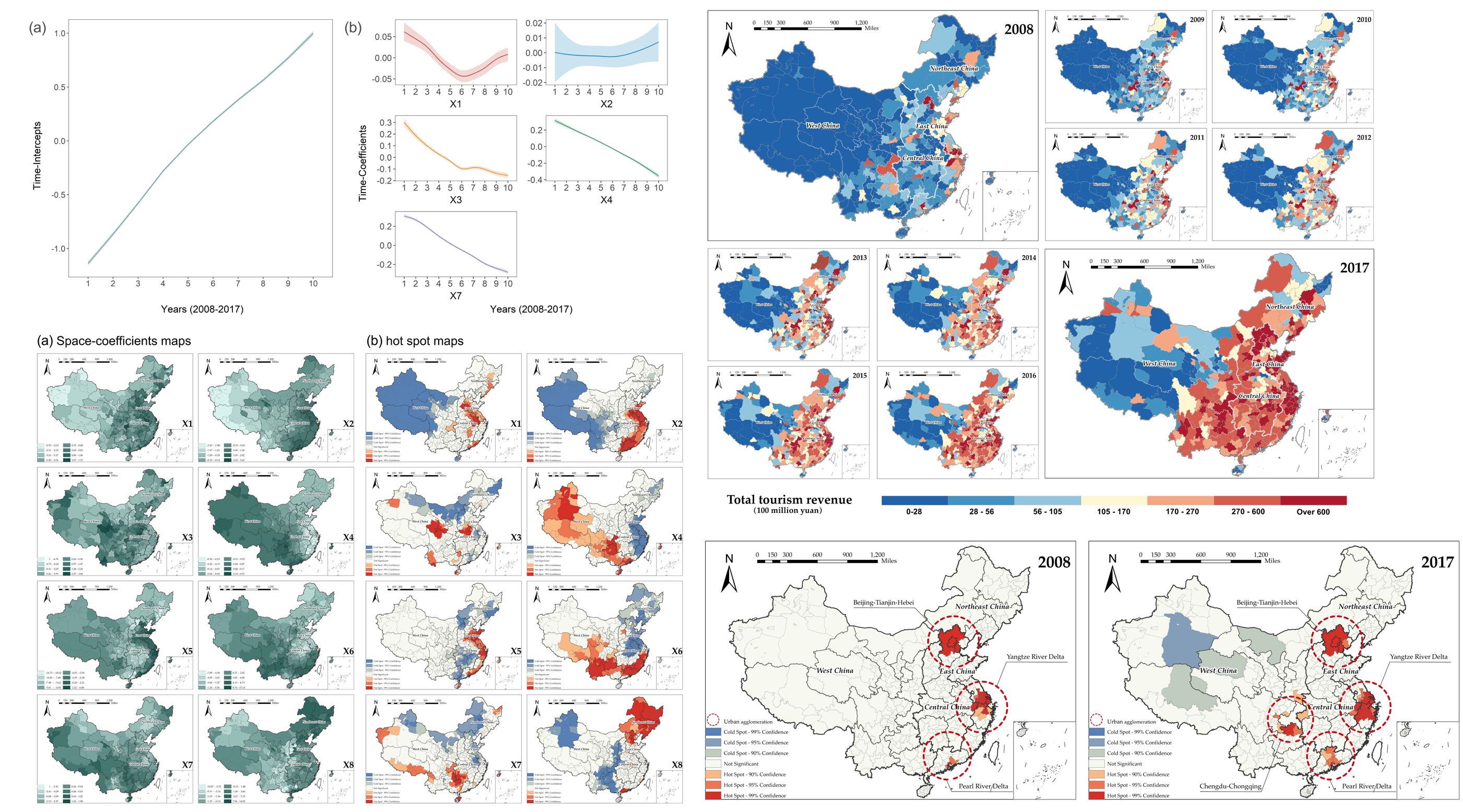
Zhang, Xu, Chao Song, Chengwu Wang, Yili Yang, Zhoupeng Ren, Mingyu Xie, Zhangying Tang, and Honghu Tang. 2021. “Socioeconomic and Environmental Impacts on Regional Tourism across Chinese Cities: A Spatiotemporal Heterogeneous Perspective” ISPRS International Journal of Geo-Information 10, no. 6: 410. https://doi.org/10.3390/ijgi10060410
JUNE, 2021. NEWS of winning the best paper award. Chao Song’s paper “[Song C, Shi X, Wang J. Spatiotemporally Varying Coefficients (STVC) model: A Bayesian local regression to detect spatial and temporal nonstationarity in variables relationships[J]. Annals of GIS, 2020, 26(3): 277-291](https://www.tandfonline.com/doi/full/10.1080/19475683.2020.1782469)” has won 1st place in the best paper award evaluation for papers published in Annals of GIS in 2020.
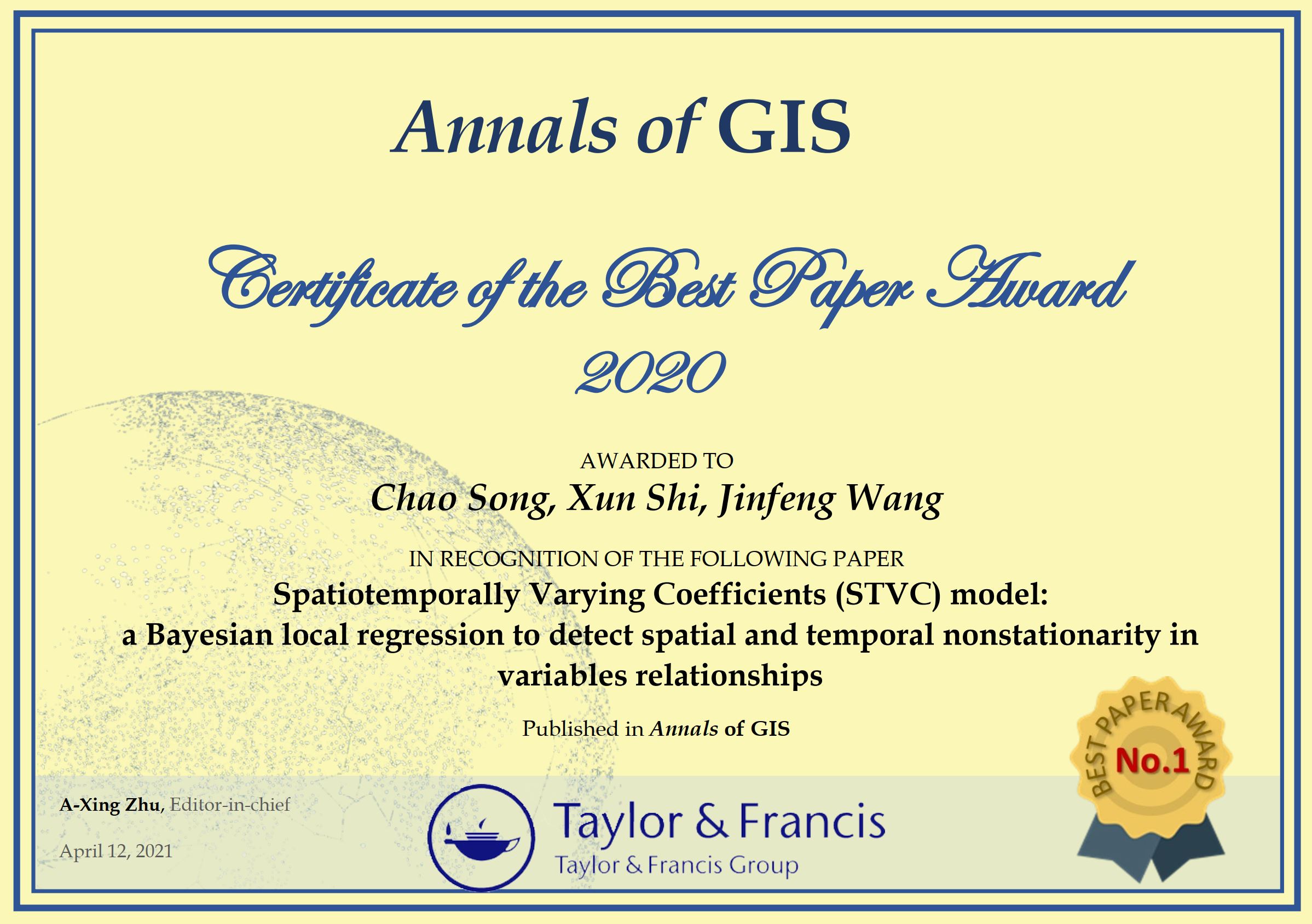
Award Certificate: Paper “[Song C, Shi X, Wang J. Spatiotemporally Varying Coefficients (STVC) model: A Bayesian local regression to detect spatial and temporal nonstationarity in variables relationships[J]. Annals of GIS, 2020, 26(3): 277-291](https://www.tandfonline.com/doi/full/10.1080/19475683.2020.1782469)” has won 1st place in the best paper award evaluation for papers published in Annals of GIS in 2020.
Jan-June, 2021. Chao Song reviewed articles for journals IJGIS, IJGI, spatial statistics, and BMC public health.
April 2021. Chao Song (PI) was funded by the Fund for Introducing Talents of Sichuan University (Grant No. YJ202157). This three-year project will focus on further developing the Bayesian STVC series modeling technique and applying it in health economics.
Last updated on May 12, 2025 by Chao Song.
MORE ON NEXT PAGE
2020
December 1, 2020. Academic post: Bayesian Spatiotemporally Varying Coefficients (STVC) model: Exploring spatiotemporal nonstationarity for health geography phenomena.
October 2020. Personnel change: Chao Song, as associate professor, joined the Department of Health Related Social and Behavioral Science, West China School of Public Health (West China Fourth Hospital), Sichuan University (SCU). His major task will revolve around research and teaching on Health GIScience, Medical Geography, and Spatiotemporal Statistics.
Meantime, Chao Song serves as a research fellow at the Institute for Healthy Cities under the guidance of PI Pan Jay.
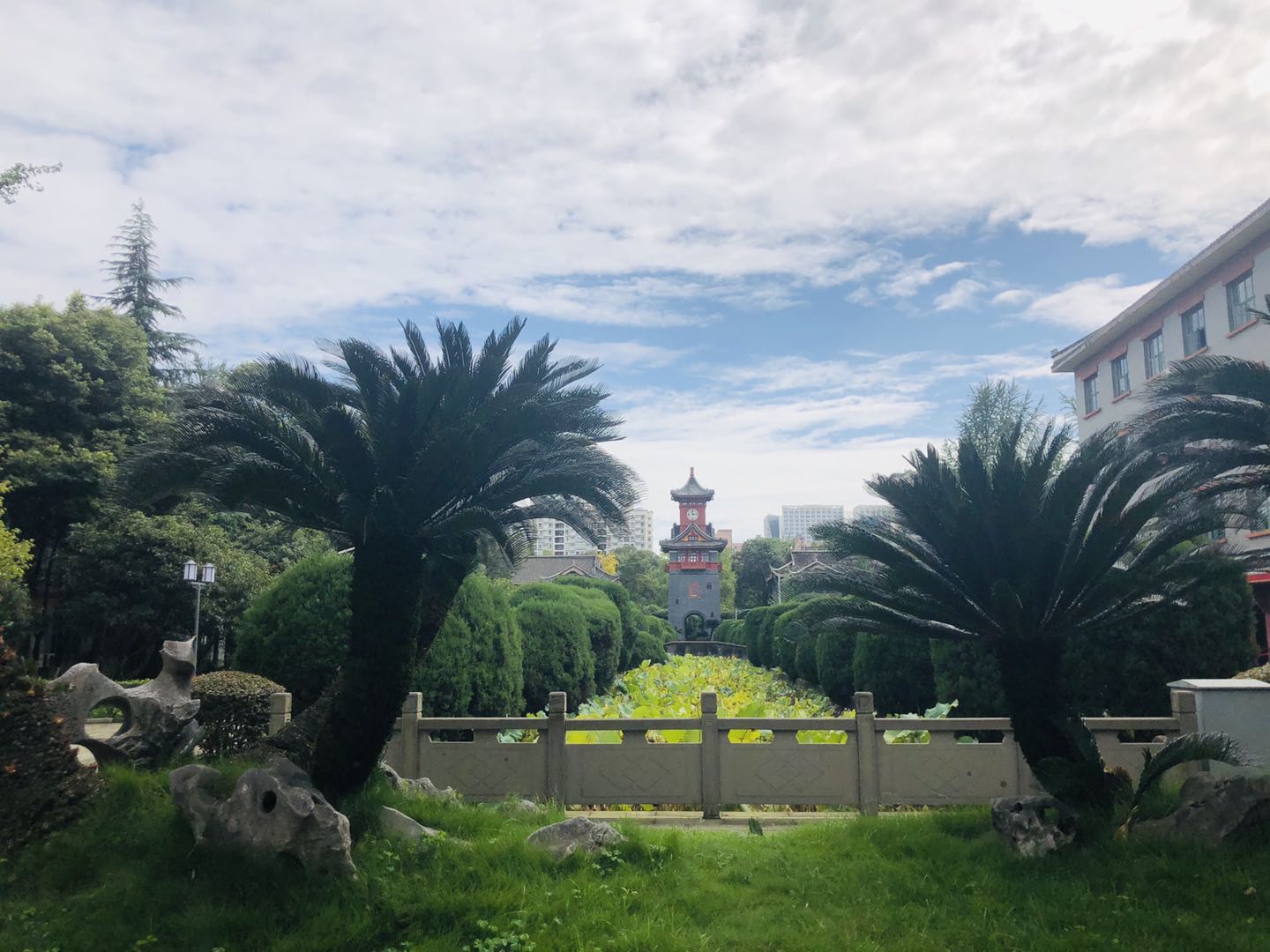
2020 @ Sichuan University (SCU), West China School of Public Health (West China Fourth Hospital)
September 2020. Chao Song (PI) was funded by the general project of the National Natural Science Foundation of China (NSFC) (2021-2024). This four-year general project will focus on further developing the cutting-edge Bayesian STVC modeling framework and employing the improved local spatiotemporal models to solve the frontier science problems of maternal health in China.
September 2020. Science blog (in Chinese) “Bayesian Spatiotemporally Varying Coefficients (STVC) model: Exploring spatiotemporal nonstationarity for health geography phenomena” invited by WeChat Official Account “GIS and Health” belonging to CPGIS (The international association of Chinese professionals in geographic information sciences).
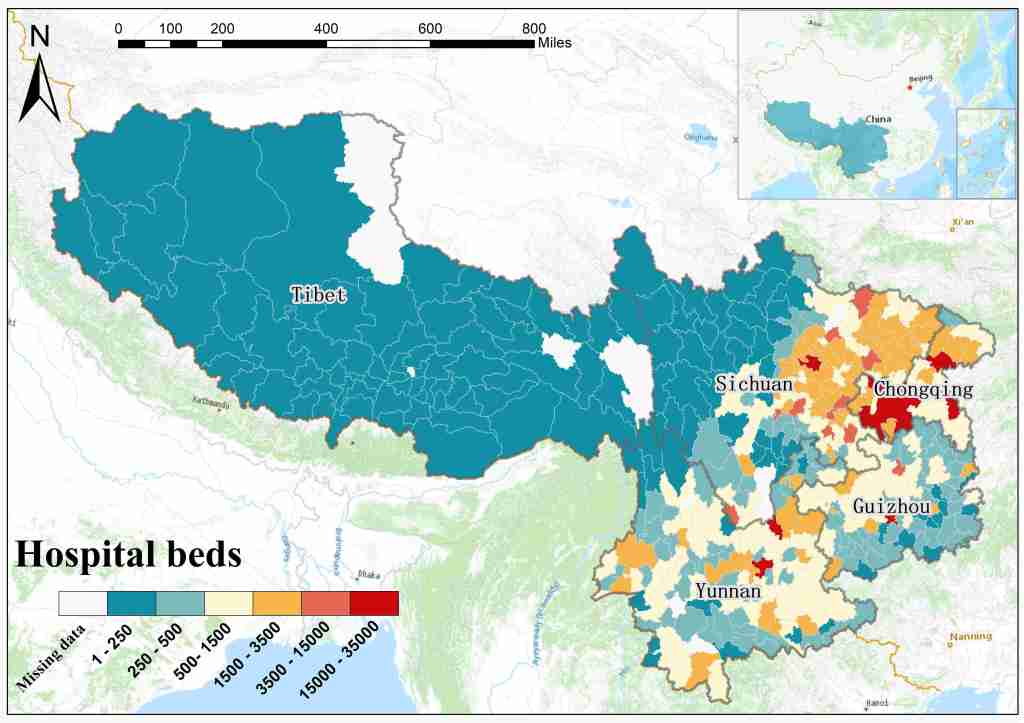
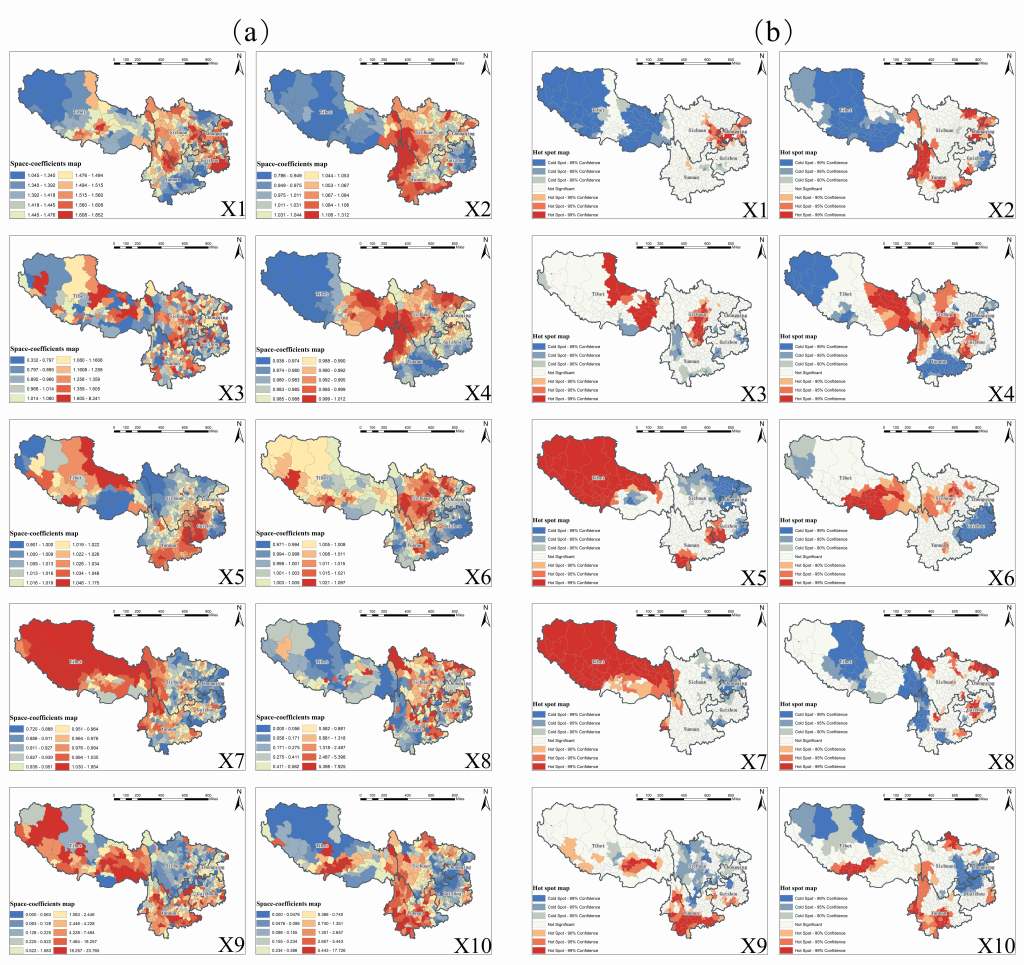
August 13, 2020. Academic work from Chao Song’s team has been officially published in the journal Int. J. Environ. Res. Public Health (SSCI Q1, SCI, IF=2.849). In this study, we validated the hypothetical theories that both environmental and socioeconomic aspects had pivotal roles in affecting the small-area healthcare resource inequalities, and such covariate impacts varied locally (heterogeneity) along with both space and time scales, which had been supported by an advanced Bayesian STVC modeling of the county-level hospital beds data in southwest China. The article information is listed below.
Song, C. 1 ; Wang, Y. 1 ; Yang, X.; Yang, Y.; Tang, Z.; Wang, X.; Pan, J. Spatial and Temporal Impacts of Socioeconomic and Environmental Factors on Healthcare Resources: A County-Level Bayesian Local Spatiotemporal Regression Modeling Study of Hospital Beds in Southwest China. Int. J. Environ. Res. Public Health 2020, 17, 5890. DOI: https://doi.org/10.3390/ijerph17165890
-
-
-
-
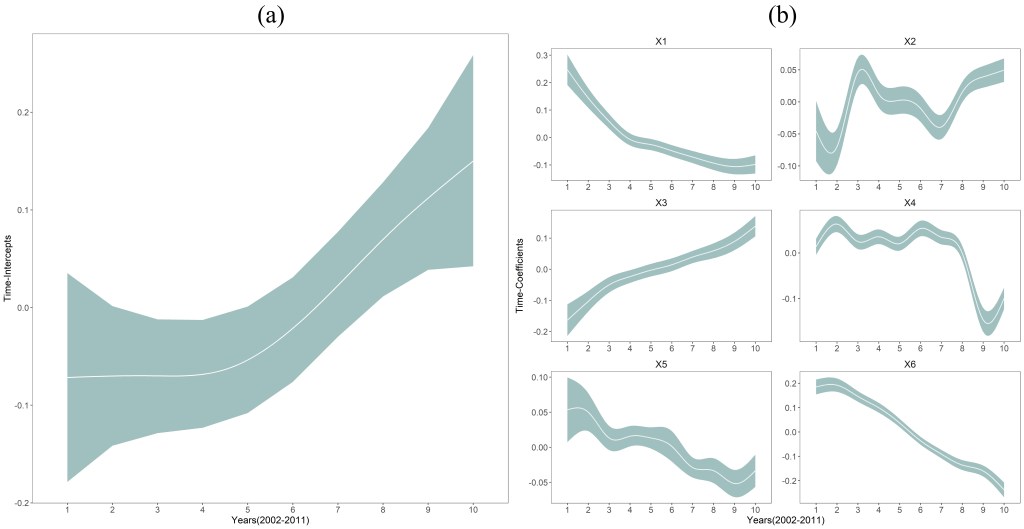
Spatial and temporal autocorrelated nonstationarity in various healthcare-covariate relationships detected by the Bayesian STVC model. DOI: https://doi.org/10.3390/ijerph17165890
August 11, 2020. Chao Song started reviewing a revised research article for the journal IJGIS.
June 23, 2020. Chao Song reviewed a research article for the journal Scientific Reports.
June 2020. Academic article published: Chao Song’s first author article titled “Spatiotemporally Varying Coefficients (STVC) model: a Bayesian local regression to detect spatial and temporal nonstationarity in variables relationships ” was accepted in the journal Annals of GIS (ESCI). DOI:10.1080/19475683.2020.1782469.
In this article, we presented a literature review of the theoretical statistical basis of the newly proposed Bayesian Spatiotemporally Varying Coefficients (STVC) model, which is the first Bayesian-based local spatiotemporal regression method to detect spatial and temporal nonstationarity in heterogeneous relationships among variables. A general formula paradigm of Bayesian STVC modeling was introduced in detail for the first time, to provide a guideline for practitioners to develop custom-built STVC models to solve broader issues in the real world. We further applied the Bayesian STVC model to firstly explore the spatiotemporal heterogeneous relationships between the county-level healthcare resources and various socioeconomic conditions in northeast China for ten years, expanding the limited knowledge of the complex local-scale healthcare equalities.
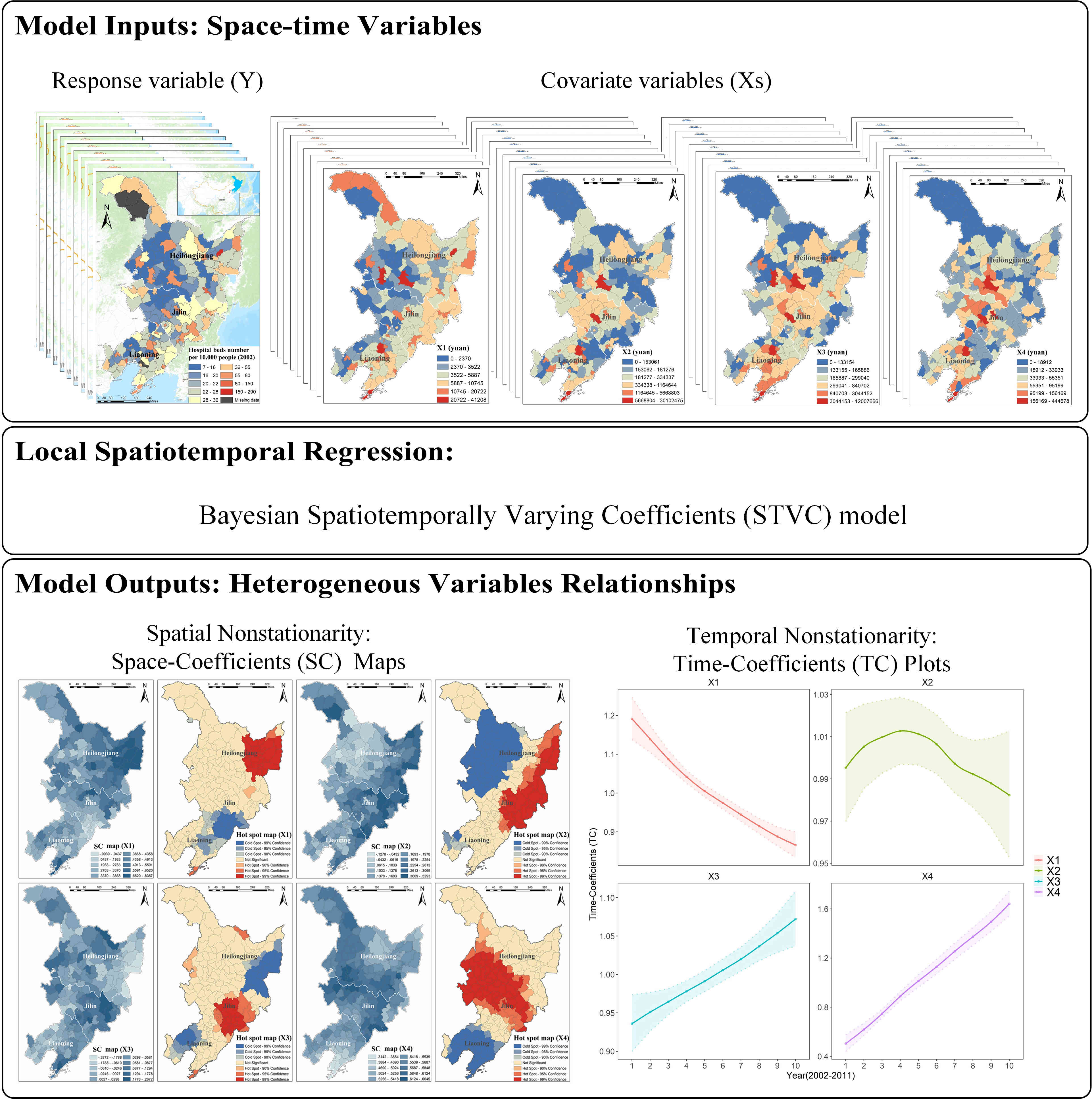
Graphic Abstract: Song, Chao, Xun Shi, and Jinfeng Wang. “Spatiotemporally Varying Coefficients (STVC) model: a Bayesian local regression to detect spatial and temporal nonstationarity in variables relationships.” Annals of GIS. DOI: 10.1080/19475683.2020.1782469.
May 2020. Chao Song reviewed a revised research article for the journal Environmental Science and Pollution Research.
April 2020. STVCapp(closed beta version 1.02), a web application to detect spatiotemporal nonstationarity in variables relationships supported by the Bayesian STVC model, was newly developed. Spatiotemporally Varying Coefficients (STVC) model is a Bayesian-based local spatiotemporal regression with the aim of simultaneously detecting spatial and temporal nonstationarity in response-covariates relations, through separately estimating posterior local-scale coefficients over different space areas and periods of time (Song, et al. 2019).
STVCapp: https://chaosong.shinyapps.io/stvcapp/
Mar. 2020. Chao Song (Principle Investigator, PI) was funded by two projects on spatiotemporal modeling of healthcare resources over China, namely, the Applied Basic Research Funded Project of Sichuan Science and Technology Department (No. 2020YJ0117), and the Humanities and Social Sciences Research Fund Project of Southwest Petroleum University (No. 2019RW021).
Mar. 2020, Chao Song started serving as a member of the Health-GIS Committee of CPGIS (The international association of Chinese professionals in geographic information sciences).
Mar. 2020, SWPU news: Two papers of Chao Song’s academic team were selected as ESI Highly cited papers.
Mar. 2020. Chao Song reviewed an original research article for the journal INTERNATIONAL JOURNAL OF GEOGRAPHICAL INFORMATION SCIENCE (IJGIS).
Feb. 2020. Chao Song reviewed an original research article for the journal Environmental Science and Pollution Research.
MORE ON NEXT PAGE
2019
November to December 2019. Teaching undergraduate course: Course design of remote sensing image processing (2016 undergraduate grade, SWPU).
19-October-2019. Chao Song was invited to give a presentation about the proposed Bayesian STVC model in the “Health GIS” panel of 2019 China’s GIScience annual conference (Shanghai).
5-October-2019. Chao Song reviewed an original research article for the journal “The Professional Geographer”. (SSCI)
September-2019. SWPU news (in Chinese): Associate Professor Chao Song was invited to give a presentation at the frontier forum “Application of GIS analysis in public health”.
14-September-2019. Chao Song reviewed an original research article for the journal “INTERNATIONAL JOURNAL OF GEOGRAPHICAL INFORMATION SCIENCE (IJGIS)”. (SCI, SSCI, Q1 journal, IF=3.545, TOP journal in GIScience)
6-September-2019. Academic article published: Chao Song’s first author article titled “Disease relative risk downscaling model to localize spatial epidemiologic indicators for mapping hand, foot, and mouth disease over China ” was accepted in the journal Stochastic Environmental Research and Risk Assessment (SCI, IF=2.807, Q1 journal). DOI: 10.1007/s00477-019-01728-5.
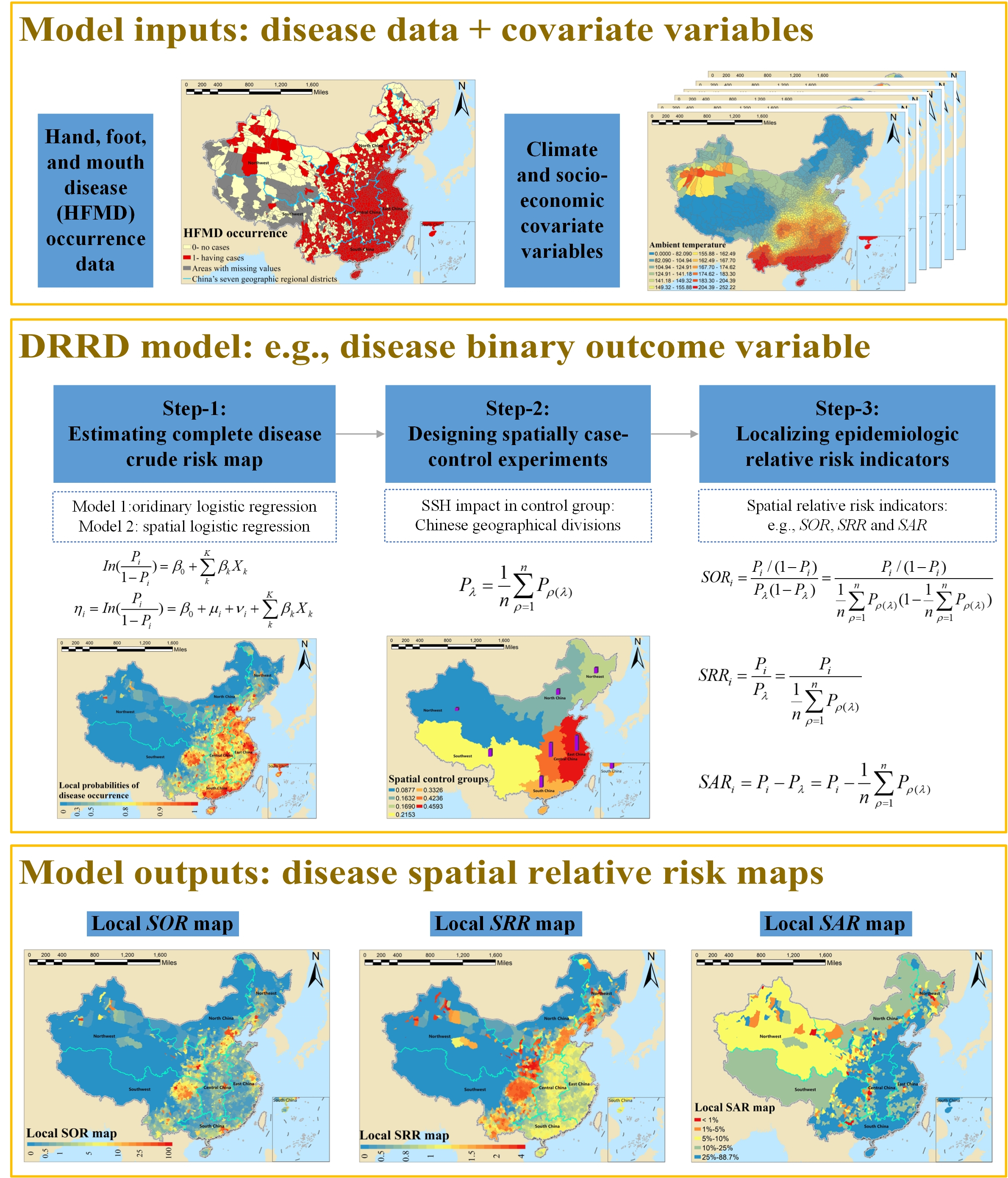
Disease Relative Risk Downscaling (DRRD) model (2019) to estimate local-scale spatial OR, spatial RR and spatial AR indicators for mapping.
(DOI: 10.1007/s00477-019-01728-5)
3-September-2019, Chao Song reviewed an original article for the journal “BMC public health” . (SCI, Q1 journal, IF=2.567 )
August-2019, Chao Song reviewed two revised articles for the journal “BMC public health“. (SCI, Q1 journal, IF=2.567 )
25-August-2019. Chao Song reviewed an original research article for the journal “International journal of environmental research and public health”. (SCI, SSCI, Q1 journal, IF=2.468)
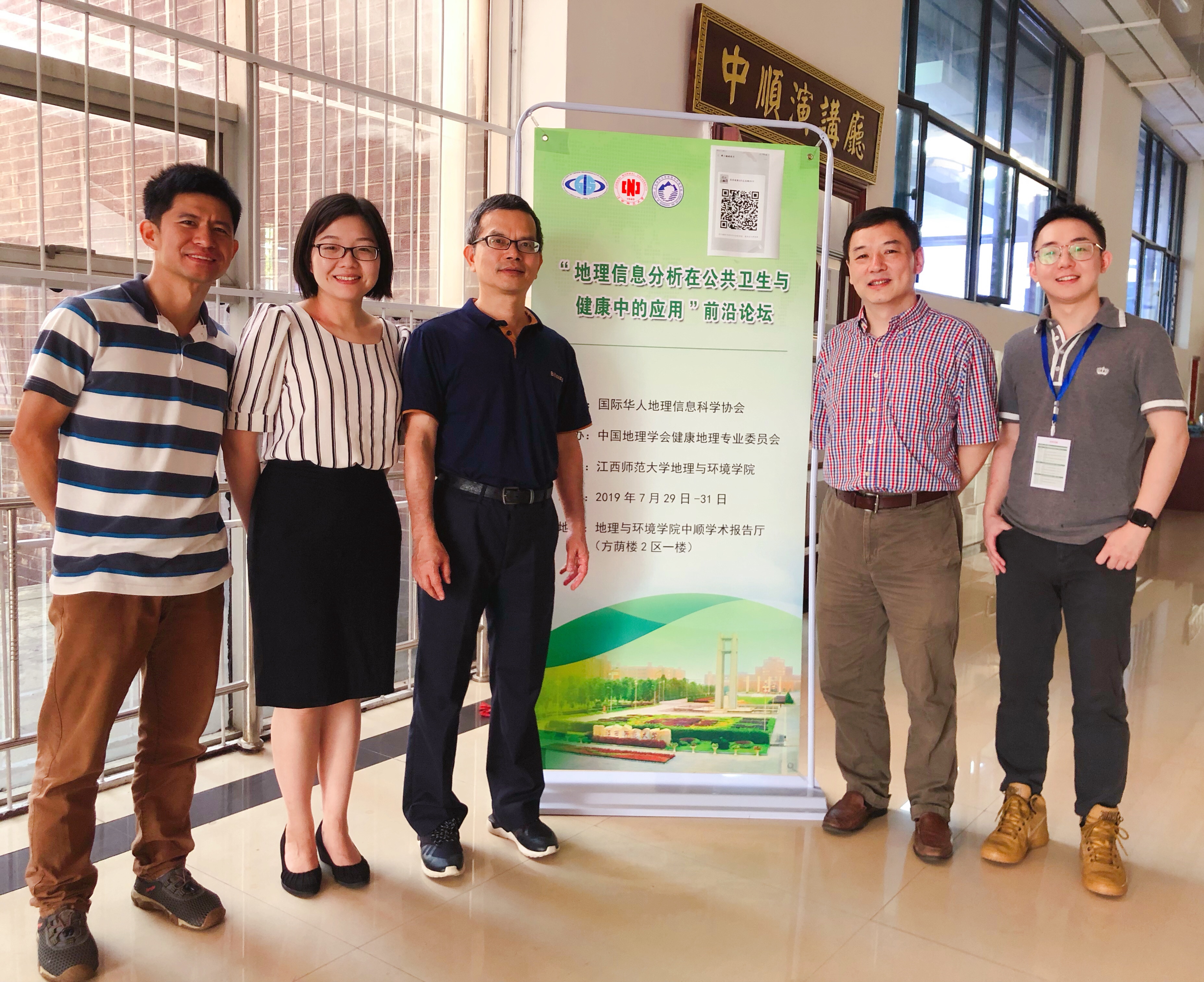
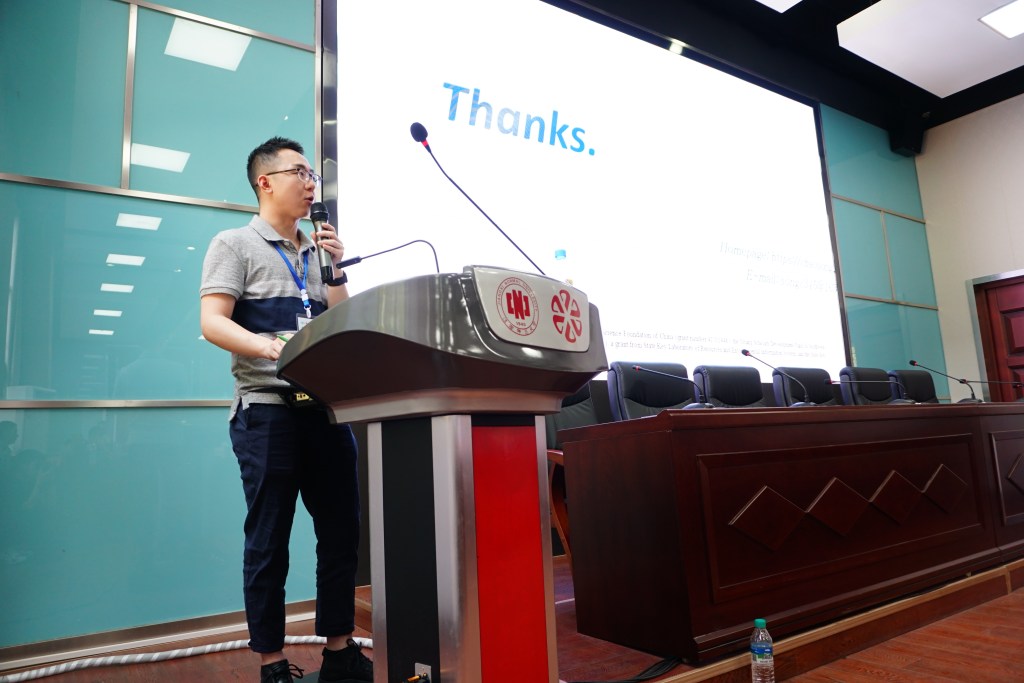
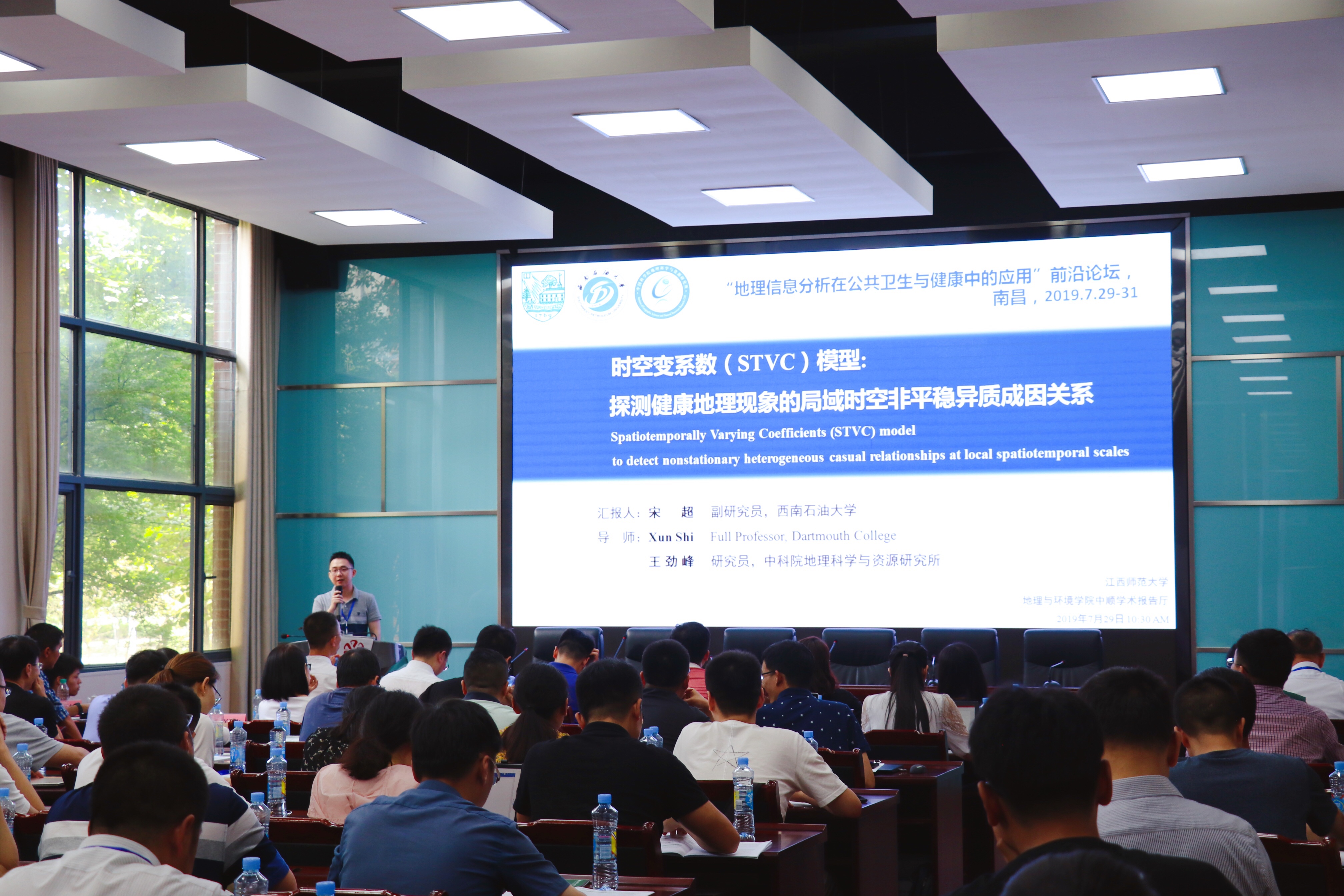
29-31 July, 2019. Chao Song was invited to give a presentation at the frontier forum “Application of GIS analysis in public health“, held by CPGIS (The international association of Chinese professionals in geographic information sciences), in Jiangxi Normal University, Nanchang, China. Reporting topic: Spatiotemporally Varying Coefficients (STVC) model to detect nonstationary heterogeneous casual relationships at local spatiotemporal scales for health geography phenomenons.
Download “Health GIS” PPT – shared version of Chao Song
-

-
-
-
July, 2019. Chao Song joined the CPGIS (The international association of Chinese professionals in geographic information sciences) as a lifetime membership.

CPGIS membership
21 July, 2019. Chao Song reviewed an original research article for the journal “BMC public health“.
25 June, 2019. Chao Song gave a presentation about the newly proposed STVC model, in West China school of public health, Sichuan University, invited by professor JayPan (vice-president). Detailed information.
June 2019, under the guidance of Chao Song, four undergraduate and two graduate students finished school in Southwest Petroleum University. Chao Song was selected as the best graduation thesis advisor.
May-July 2019, Chao Song served as the main course teacher in SWPU for 2016 undergraduate grade: Integrated design of GIS application and development.
14 May 2019, Chao Song reviewed an article for the journal “BMC public health“.
22 April 2019, SWPU news (22.04.2019) Chao Song was promoted to Associate Professor in Southwest Petroleum University (SWPU).
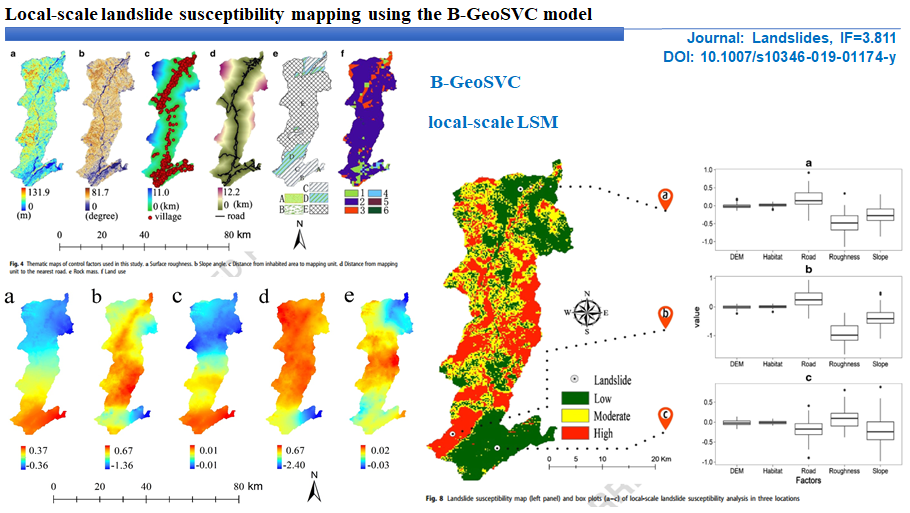
15 April 2019, SWPU news (15.04.2019): Chao Song’s GIS group published a paper in the top journal “Landslides” proposing a new local-scale LSM method “B-GeoSVC.”
19 April 2019, Chao Song reviewed an article for the journal “BMC infectious diseases.”
14 April 2019, Academic article published: Chao Song’s (corresponding author) recent work was accepted by the top journal 《Landslides》(IF=4.252 in 2018, ranking 6 / 176 in “Geotechnical Engineering and Engineering Geology”). Title: Local-scale landslide susceptibility mapping using the B-GeoSVC model. DOI: https://doi.org/10.1007/s10346-019-01174-y Download PDF
MORE ON NEXT PAGE
2018
December 2018, Teaching undergraduate course (SWPU): GIS course design and development (2016 undergraduate grade)
November 2018, Dartmouth news: Chao Song and Xun Shi et al’s article published in Scientific Reports has been selected as a representative paper on the main website page of department geography at Dartmouth.
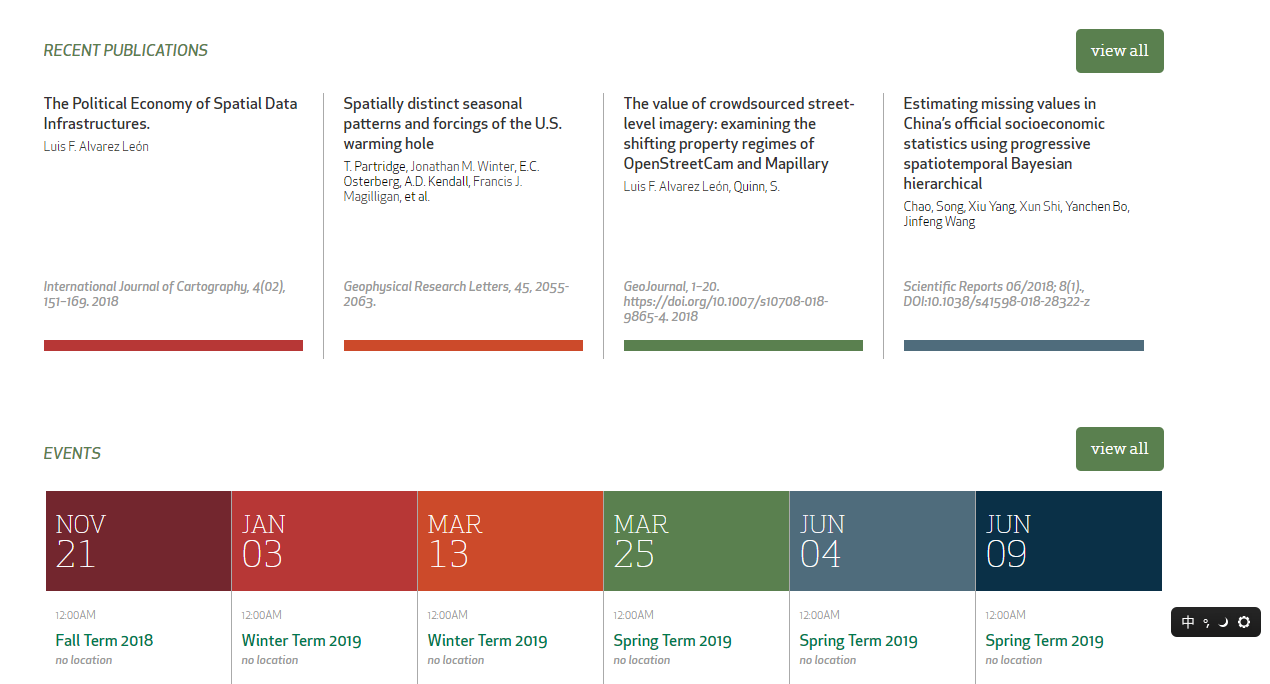
12 October 2018. News in State Key Laboratory of Remote Sensing Science: Chao Song’s paper “Risk Assessment and Mapping of Hand, Foot, and Mouth Disease at the County Level in Mainland China Using Spatiotemporal Zero-Inflated Bayesian Hierarchical Models” was reported in the State Key Laboratory of Remote Sensing Science. Prof. Yanchen Bo (Beijing Normal University) was the corresponding author.
2-10 October 2018, Chao Song visited Professor Henry Chung of Michigan State University and exchanged academic progress.
24 September 2018, Dartmouth news: Chao Song and Xun Shi et al’s article published in Science of The Total Environment has been selected as a representative paper on the main website page of department geography at Dartmouth College.
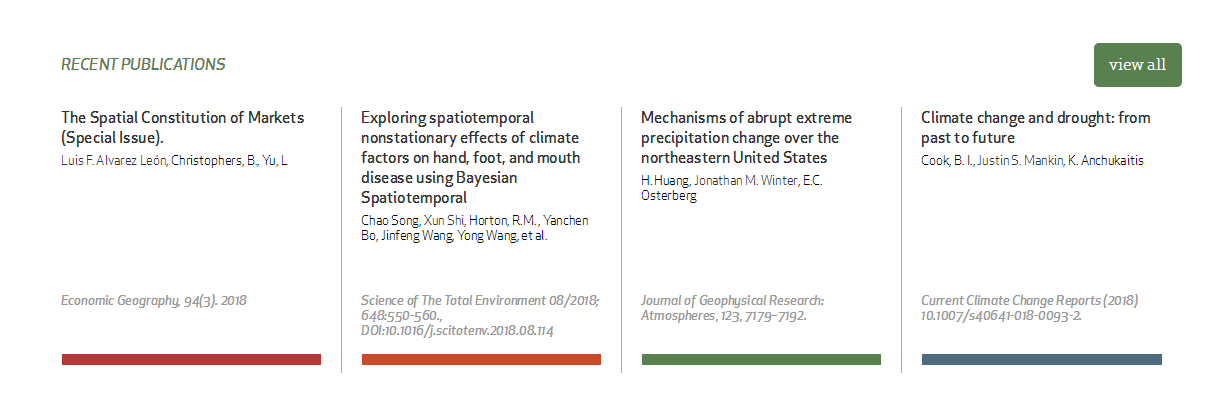
22 September 2018, Chao Song as the co-first author publishedan original articlein the journal “Geomorphology” to develop a n ew method for landslide susceptibility mapping supported by spatial logistic regression and GeoDetector.
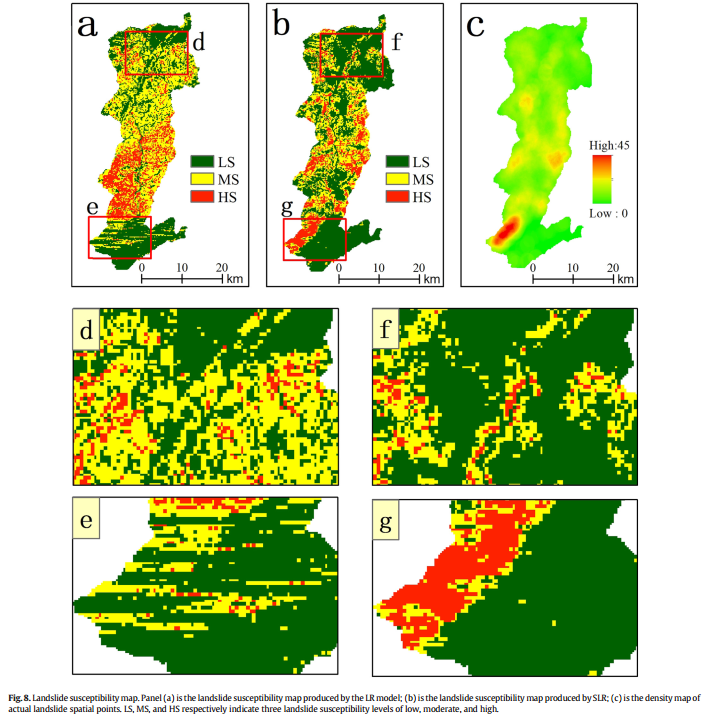
03 September 2018, SWPU news: Chao Song attended the AAG meeting and published the paper in the top journal STOTEN.
09 August 2018, Chao Song as the first author published an original article in the journal “Science of The Total Environment” to propose a new local spatiotemporal regression method, named STVC model for exploring the spatiotemporal nonstationary local exposure-response relationships.
Graphical abstract
July 2018, News in LREIS: Chao Song as project leader was funded by the State Key Laboratory of Resources and Environmental Information System (2018/07-2020/07). This project foucsed on further advanced modeling of Geodector and SSH.
19 July 2018, Chao Song reviewed a paper for Scientific Reports.
12 July 2018, Chao Song, as the first author, published an original article in the journal ” International Journal of Environmental Research and Public Health”. We applied the advance d spatiotemporal ZINB model under the BHM framework to first account for zero-inflated influence for HFMD spatiotemporal epidemic analysis and disease mapping.
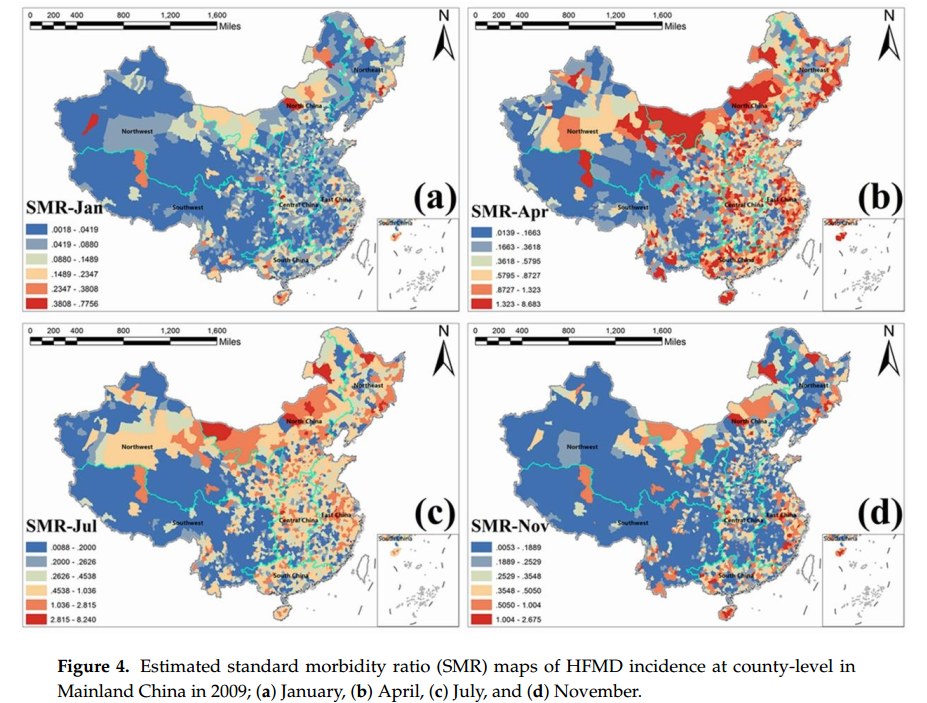
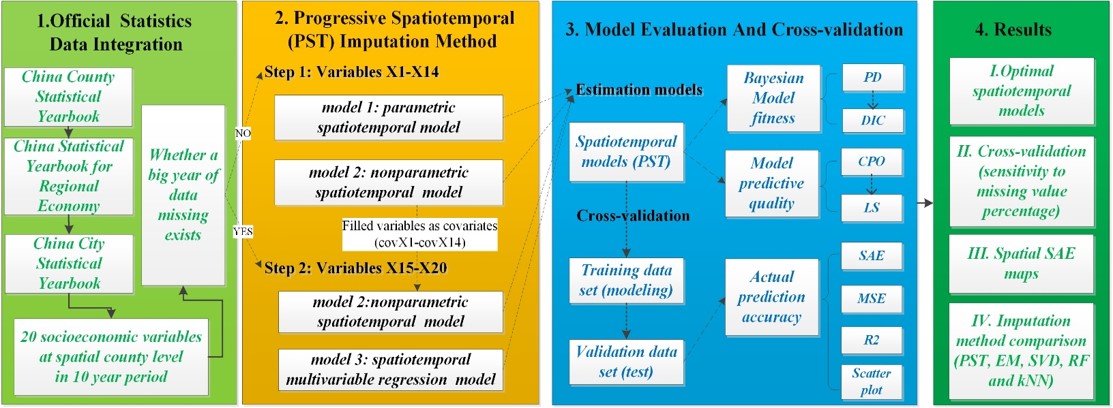
03 July 2018, Chao Song, as first author and corresponding author, published an original article in the journal “Scientific Reports” to propose a new missing estimation method, named PST (progressive spatiotemporal) modeling, for China’s ten years socioeconomic data at the spatial county level.
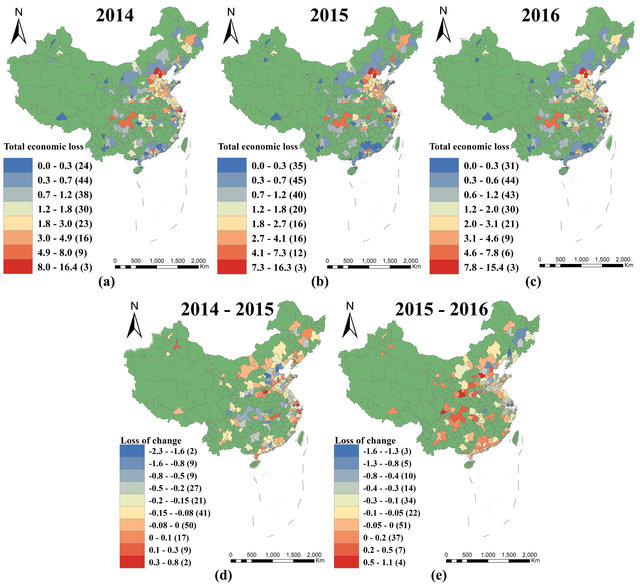
16 June 2018, Chao Song, as the corresponding author, published an original article in the journal “Internation al Journal of Environmental Research and Public Health”. We firstly conducted a spatiotemporal assessment of economic losses from health impacts attributed to PM 2.5 pollution du ring the period 2014–2016 in 190 Chinese cities.
10-14 April 2018, Chao Song, as a Chairman, presented in Session “Medical Geography: Health and D isease ” at AAG (Association of American Geographers) meeting, New Orleans, US, 2018. Report title:Detecting disease-environment nonstationary associations using the Bayesian Spatiotemporally Varying Coefficient model.

2016-2017
November 2017, Chao Song, as a visiting research scholar, began his further training in Department of Geographyat Dartmouth College under the guidance of professor Xun Shi.
-

-

-

-

-
-

21-23 July 2017, Chao Song gave an oral presentation at the Fourth intelligent digital oilfield open forum, Southwest Petroleum University, Chengdu, China. Report title: Application and practice of geospatial data science.
August 2017, Chao Song, as project leader, was funded by the National Natural Science Foundation of China (NSFC, Grant No. 41701448) (2018/01-2020/12). This project focuses on developing improved and novel spatiotemporal Bayesian models, using China’s hand, foot, and mouth disease (HFMD) as case studies.
2016-2017, Chao Song was funded by three projects (KLGSIT2016-03, 21AT-2016-11, and Z171100003017041).
In July 2016, Chao Song joined Southwest Petroleum University (SWPU) as a lecturer in the School of Geoscience and Technology, majoring in GIScience.
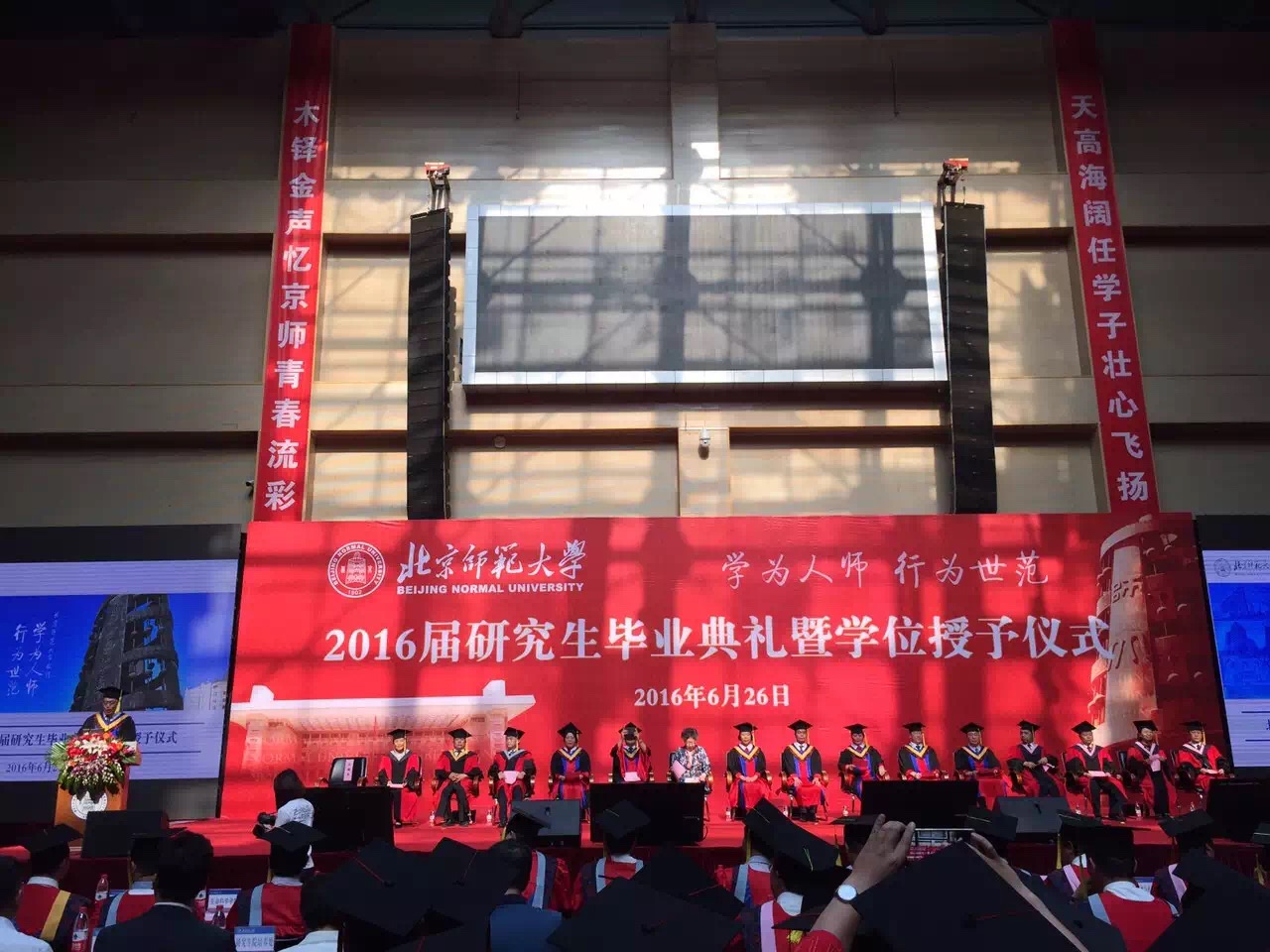
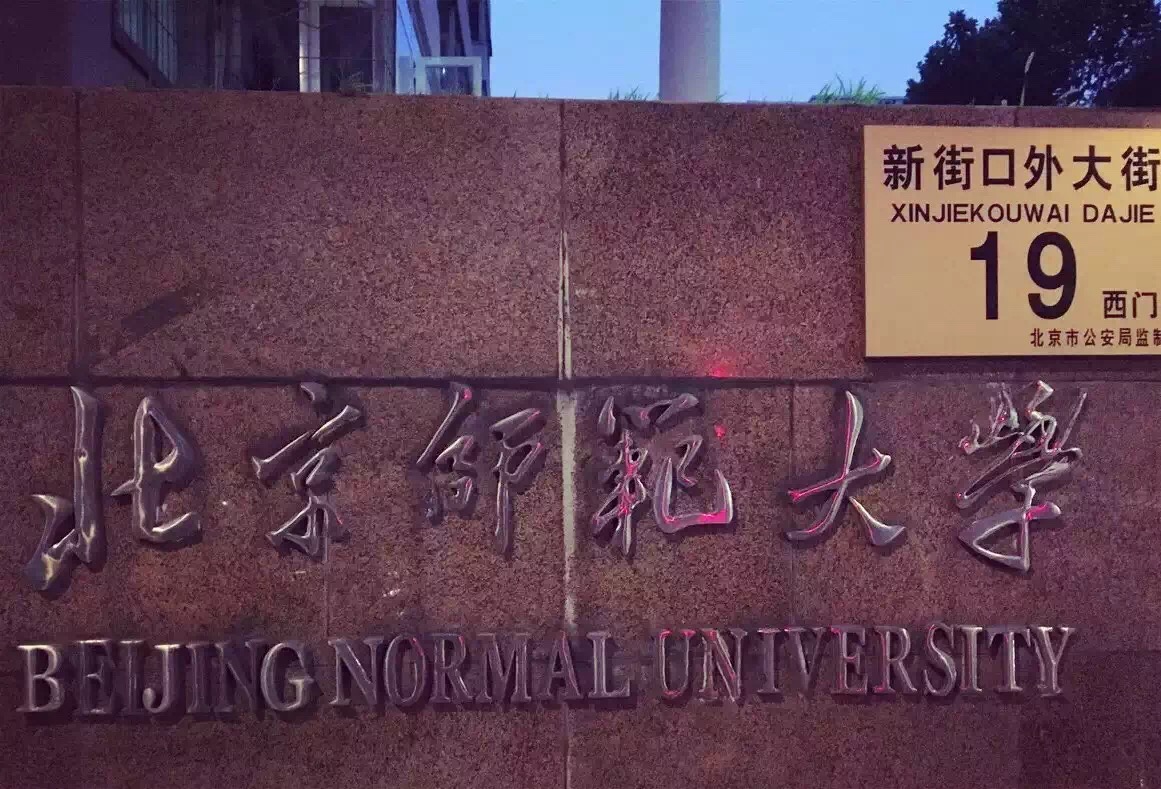
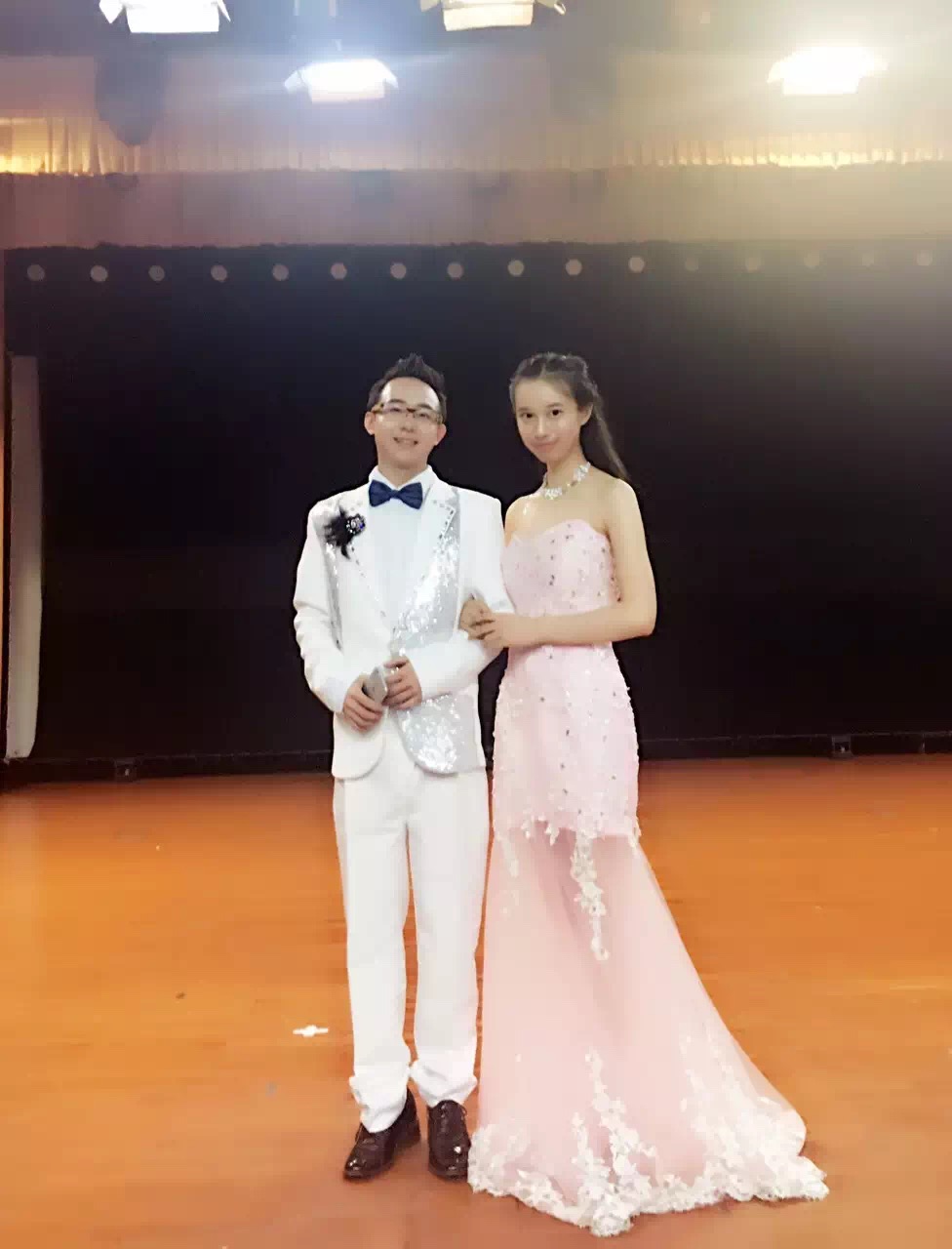
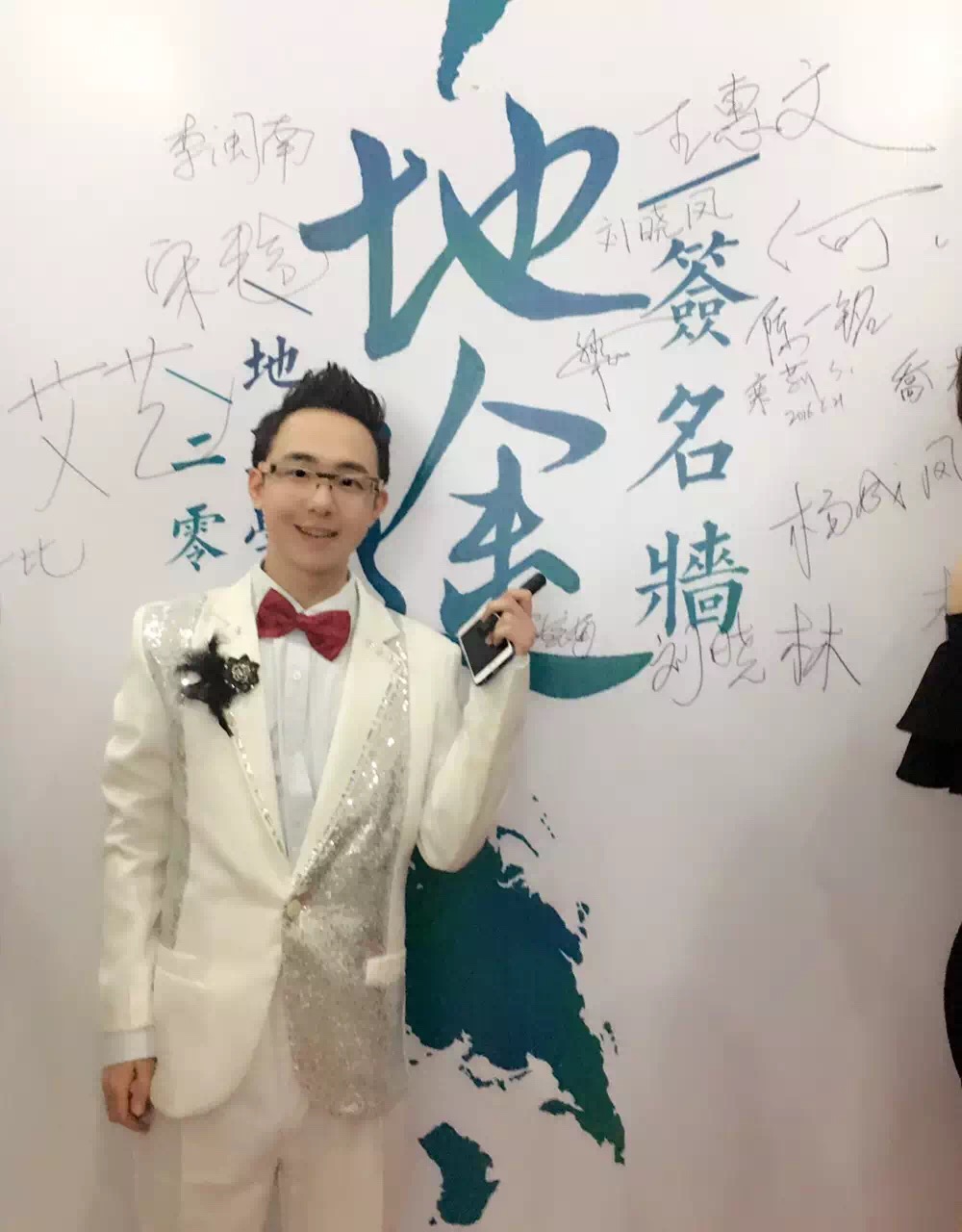
In June 2016, Chao Song finished his Ph.D. training and graduated from Beijing Normal University (BNU). Chao Song was the host of the graduation party.
-
-
-
-
Related People
PI (2020-present): Pan Jay (Professor, Sichuan University): deputy dean, West China School of Public Health (West China Fourth Hospital).
•Co-advisor (2017 -present): Xun Shi (Full Professor, Dartmouth College) and his advanced software ArcHealth, as well as the new method Epidemic Forest.
• Ph.D. and master supervisor (2011-2016): Yanchen Bo(Professor, Beijing normal university)
• Ph.D. co-supervisor (2012-2016): Jinfeng Wang (Professor, Chinese Academy of Sciences) and his spatial statistical method Geodetector.
• Co-author: Yaqian He (Postdoc at Dartmouth College)
• Henry Chung (Assistant Professor, Michigan State University)
• Colleague: Liangjun Zhu ( Assistant Professor, Chinese Academy of Sciences) and his software: Spatially Explicit Integrated Modeling System — open-source, cross-platform, and high performance computation
MORE BLOGS
-
43.685298 -72.284970